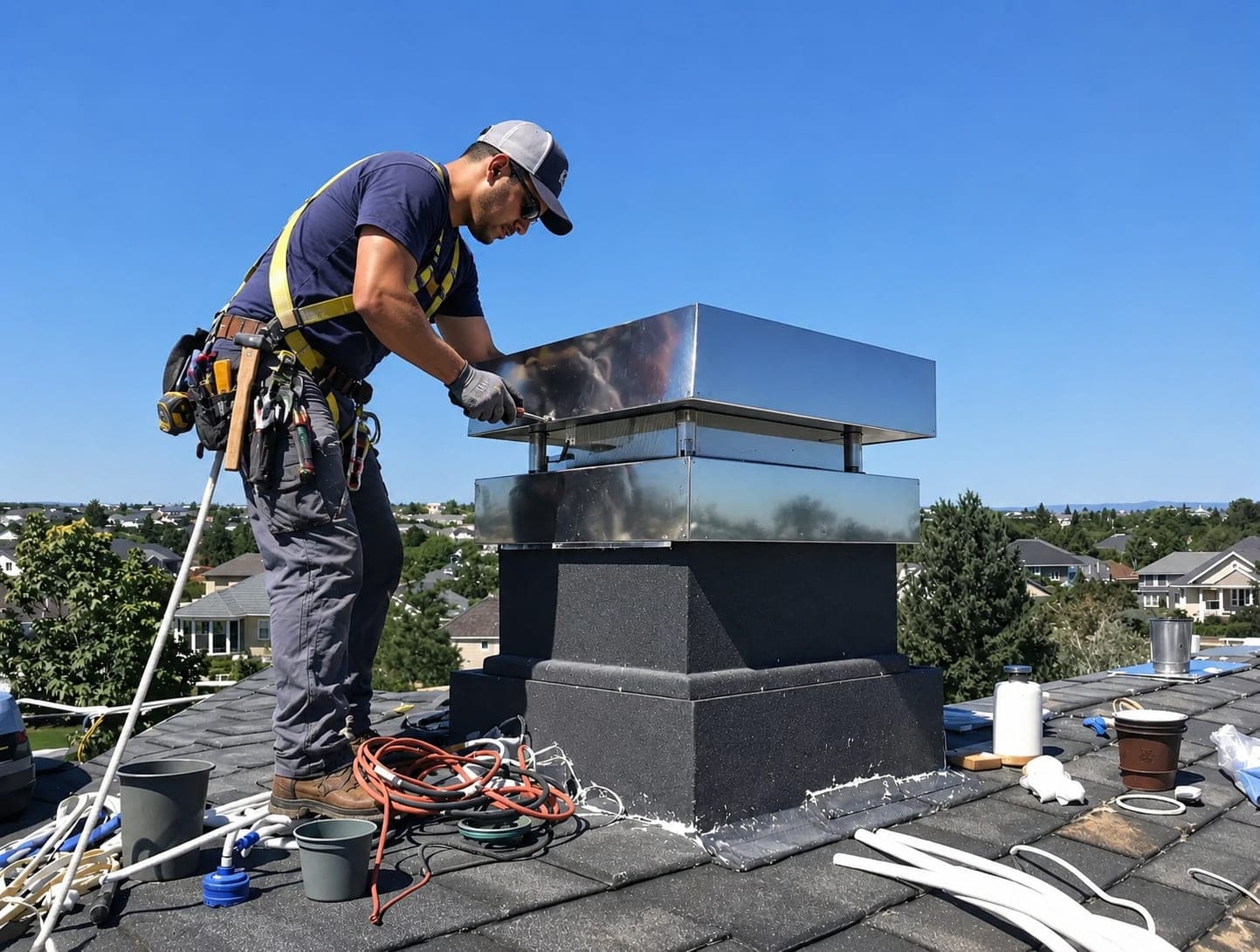
Chimney Cap vs Chase Cover
A chimney cap protects the flue opening, and a chase cover seals the top of a framed chimney chase. Learn which one your chimney has, how each one fails and when to repair or replace.
6 min readRead guide
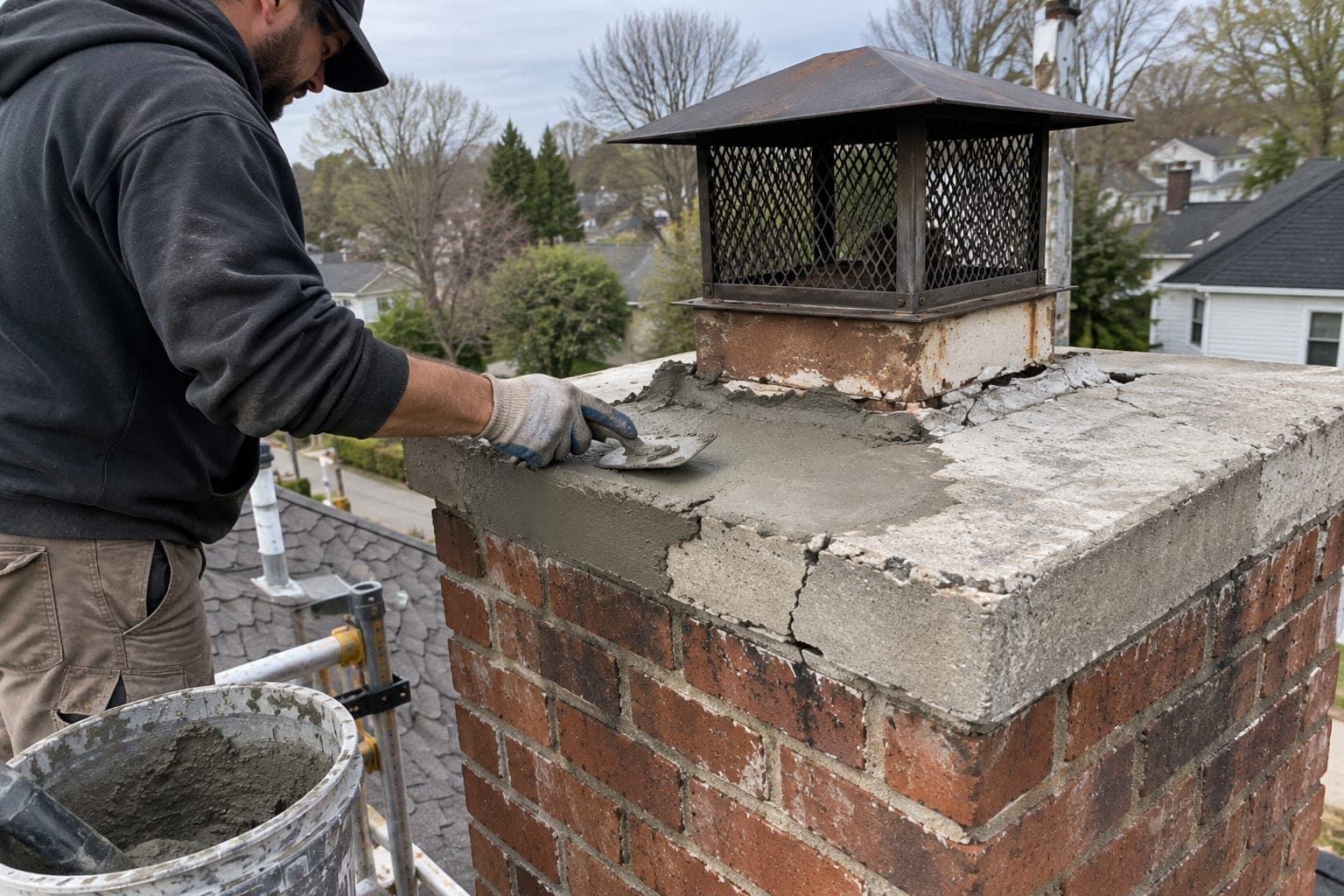
5 guides
Plain comparisons for common decisions: direct vent or ventless gas, tuckpointing or rebuilding, chimney cap or chase cover, converting from wood to gas, and why creosote control matters.
Read before you book
A chimney cap protects the flue opening, and a chase cover seals the top of a framed chimney chase. Learn which one your chimney has, how each one fails and when to repair or replace.
6 min readRead guide
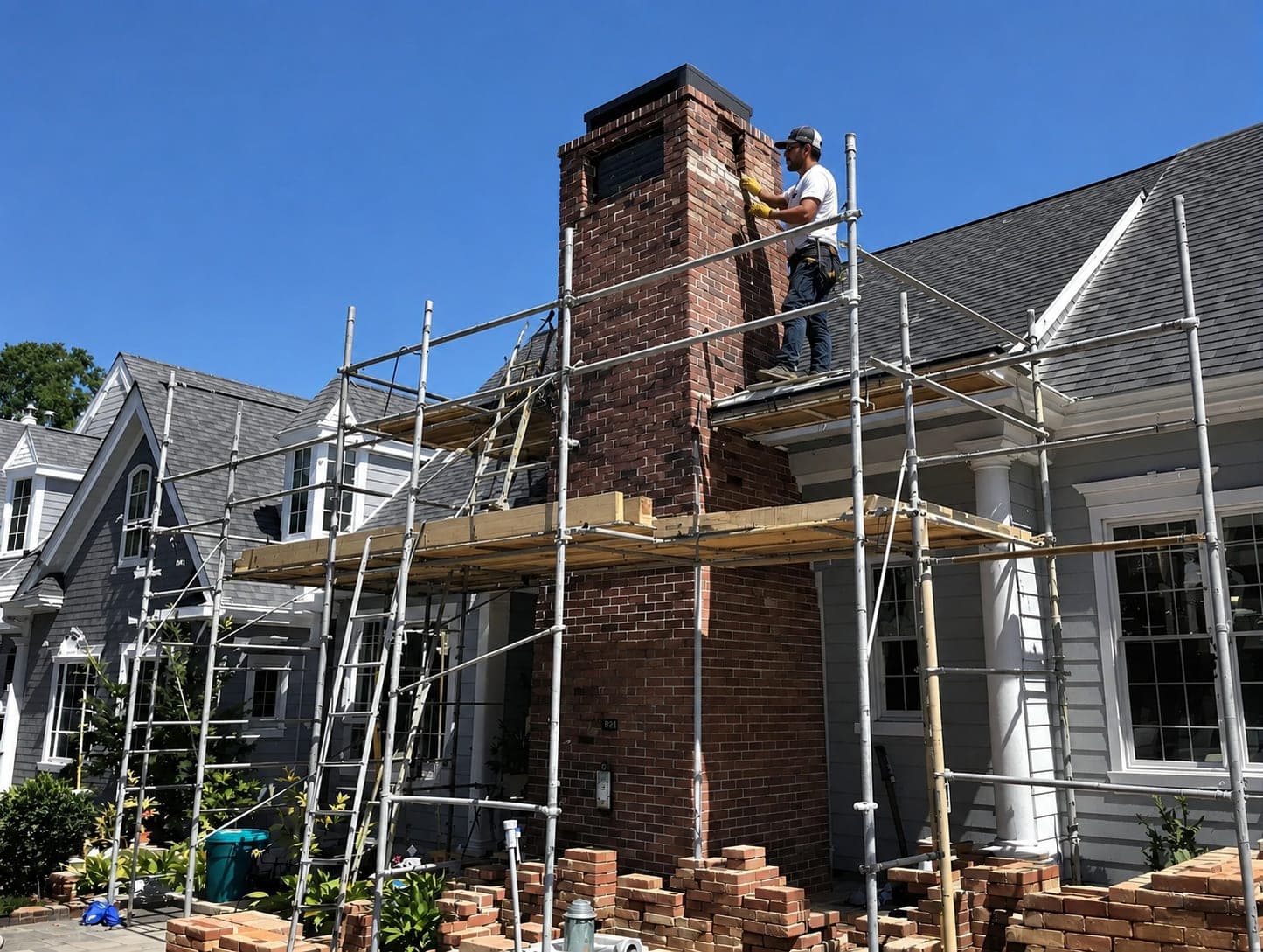
Tuckpointing replaces failing mortar between sound bricks, while rebuilding replaces damaged brick and structure. Learn the signs that point to each and what to check before deciding.
5 min readRead guide
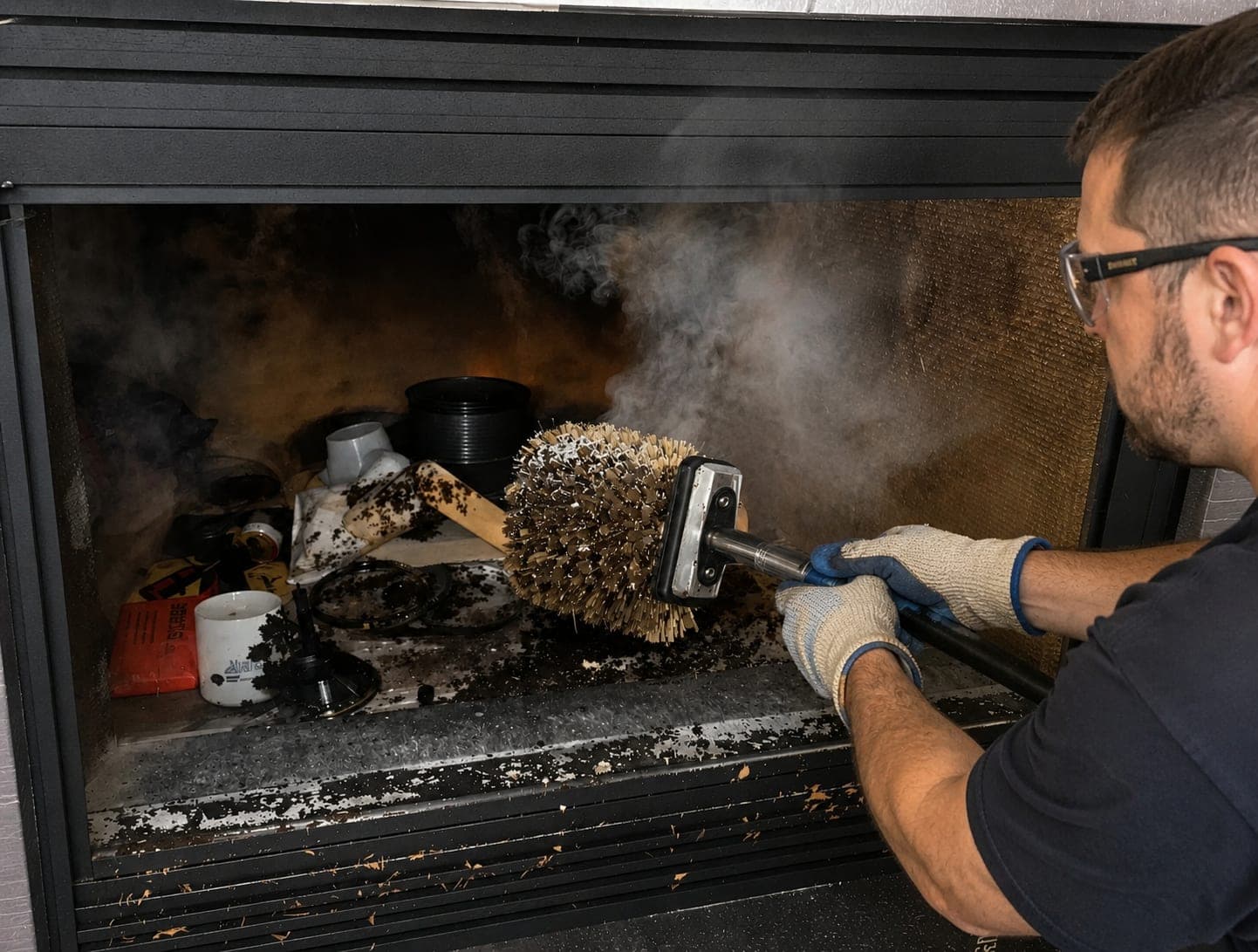
Creosote is the flammable residue wood smoke leaves in a chimney. Here is how it forms, why it causes fires, smoke and liner damage, and what regular maintenance involves.
7 min readRead guide
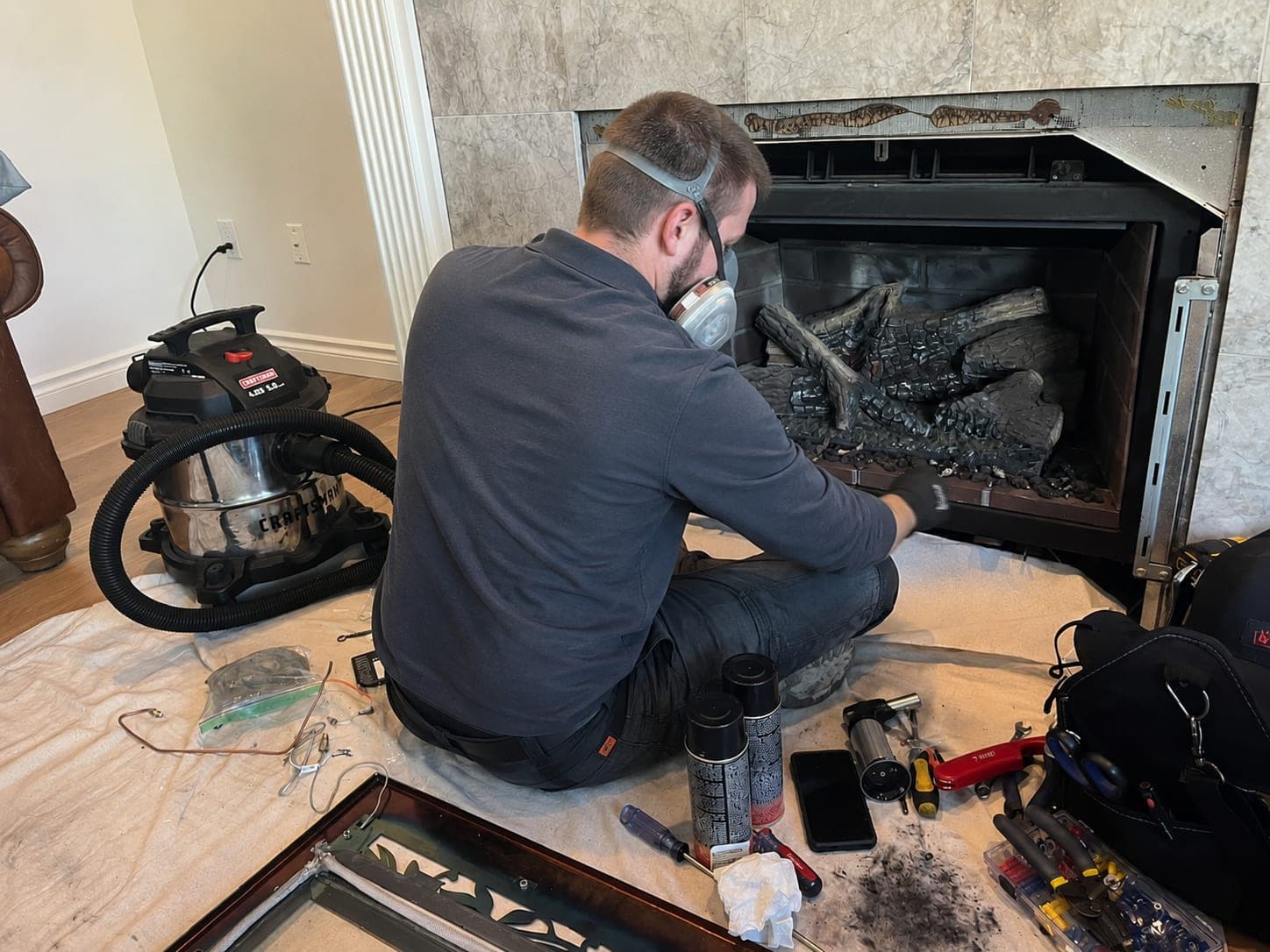
Direct vent gas fireplaces vent sealed combustion outdoors, while ventless units release byproducts into the room. Here's how that affects air quality, moisture, codes and installation.
6 min readRead guide
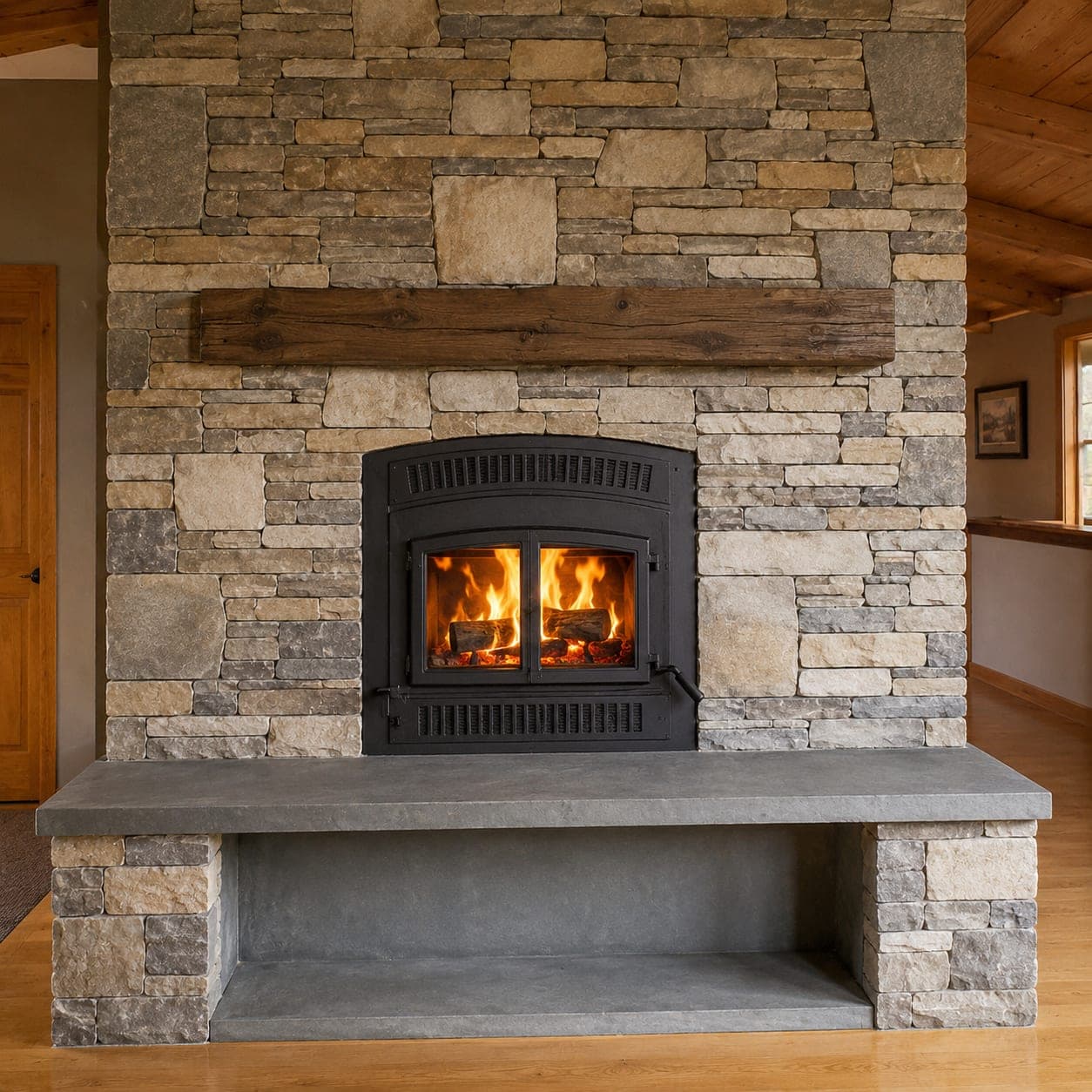
Gas logs, a gas insert or staying with wood: how each option compares on heat, upkeep and venting, and what converting a wood fireplace to gas actually involves.
5 min readRead guide
Next step
Share what you have and what you’re seeing. We’ll tell you what an inspection or service would cover.
Tell us what the system is doing and we will get back to you — the estimate is free.
Prefer to call?
(773) 570-9369