Skip to content
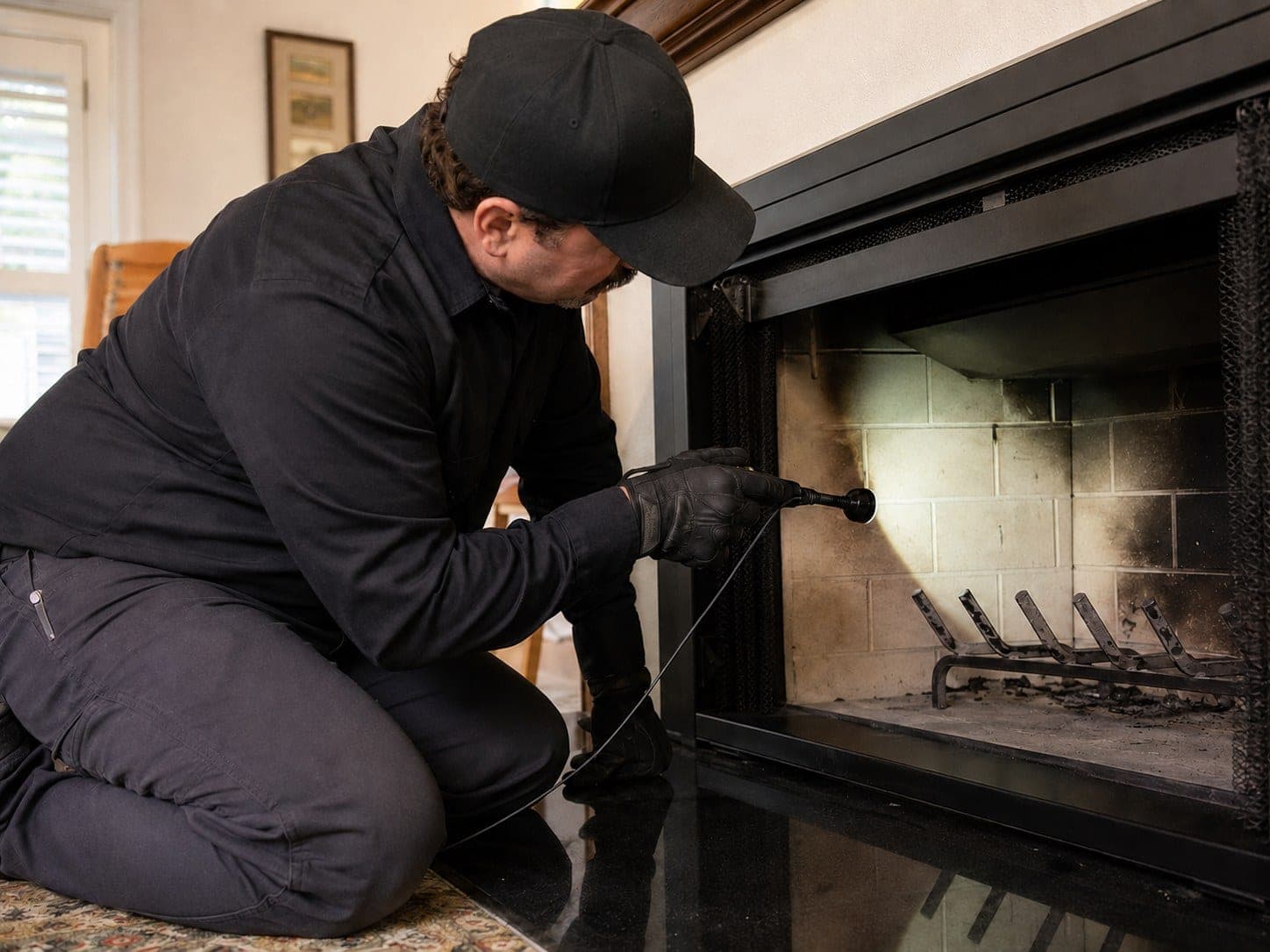
Technician inspecting a firebox with a flashlight

Cook County · Service area

Serving Arlington Heights Homes: Chimney, Fireplace & Dryer Vent Service

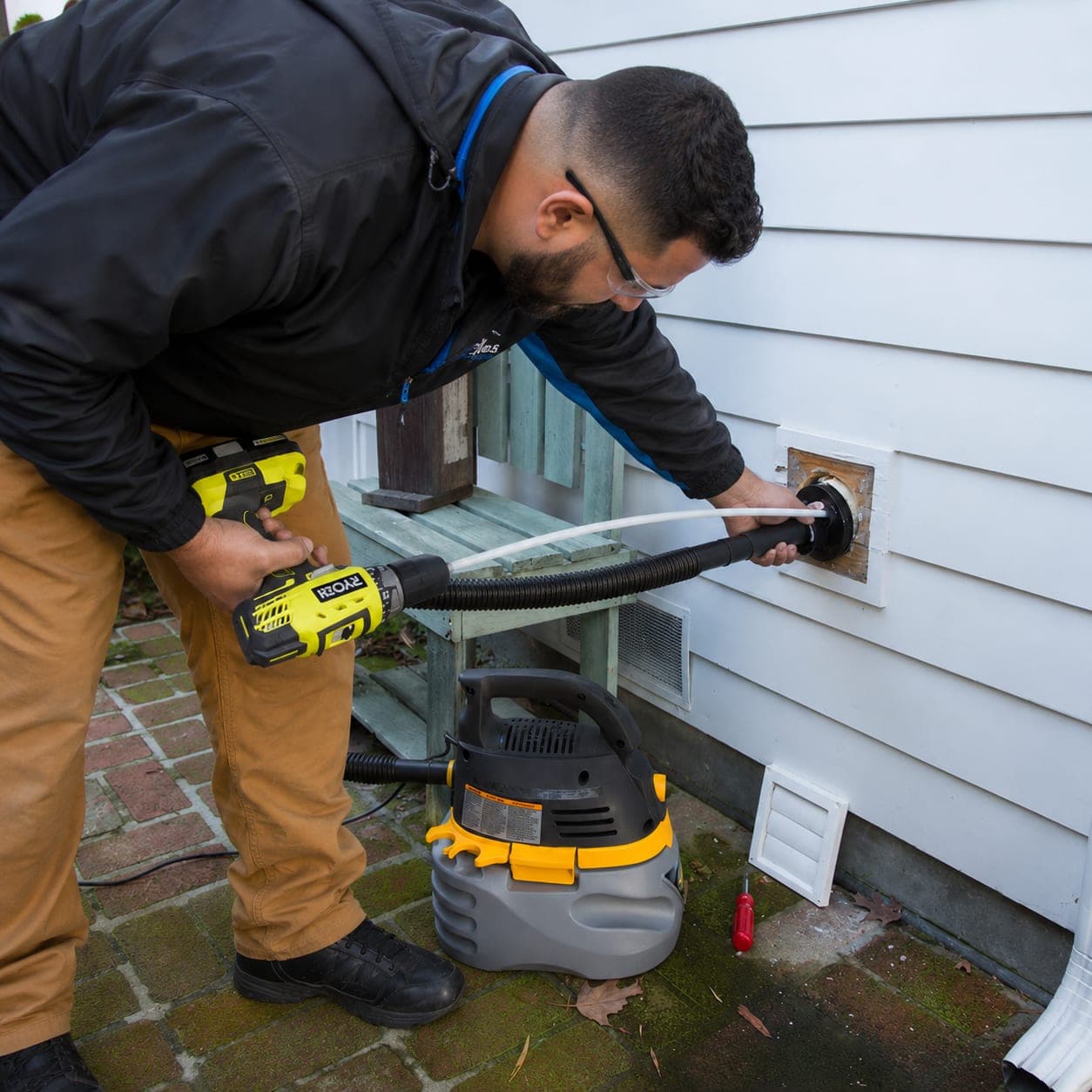
Homes and businesses in the village can book chimney sweeping and repair, fireplace and gas fireplace work, and dryer vent cleaning. Jobs range from a first look at an older masonry chimney to a new cap or a full rebuild.

Chimney services in Arlington Heights, from a first look to a full rebuild

Homeowners usually call with a specific question. Is this chimney safe to use? Why is water showing up near the fireplace? What is crumbling at the top of the stack? We answer those questions on site. Then we do the cleaning, repair or installation the chimney actually needs, and nothing it doesn't.

Service pages for this area

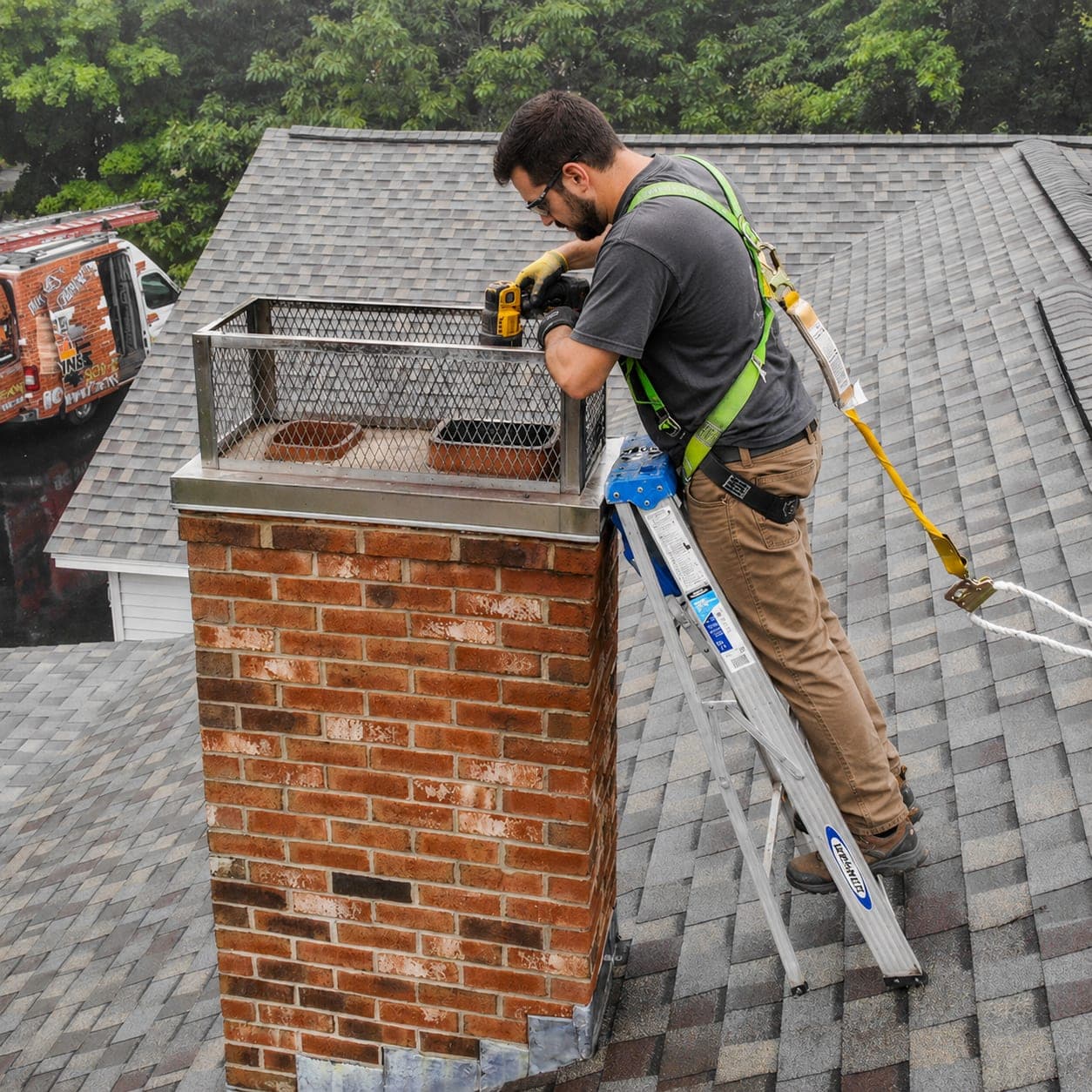
It is worth booking if rain, debris or animals are getting into the chimney, or if the existing cap has rusted, blown loose or never fit properly.

What the village's housing data means for chimney work

Two public sources describe the age of homes in the village. According to the CMAP Community Data Snapshot (American Community Survey 2020-2024 five-year estimates), 4.9% of the village's housing units were built before 1940 and 36.3% between 1940 and 1969. The median year built is 1974.

The Village of Arlington Heights' 2015 Comprehensive Plan, Housing Characteristics, uses 2010 data and gives a similar picture. It states that almost 51% of the village's housing was built before 1970 and 22% before 1960.

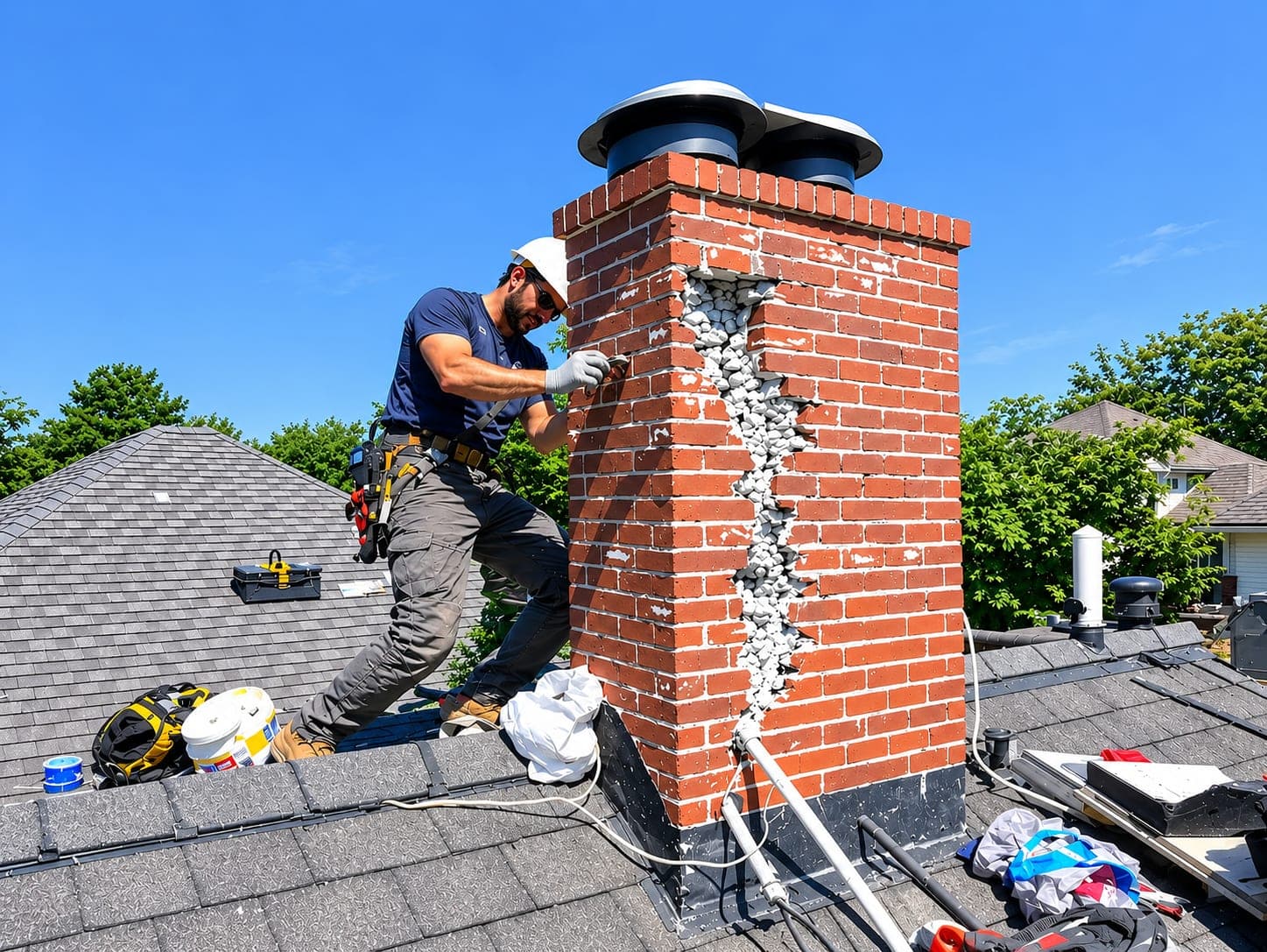
For a homeowner, the takeaway is simple. A large share of homes here have chimneys that are several decades old. In general, masonry chimneys of that age are where mortar joints wear, crowns crack, and original clay liners or dampers show their years. The age of a house doesn't tell you the condition of its chimney, though. A chimney inspection does. When the inspection finds problems, our chimney repair service covers fixes such as joints, crowns, flashing and dampers. A stack too far gone to patch may need a chimney rebuild.

Postwar house styles

The village's 2015 Comprehensive Plan, Chapter 6 Historic Preservation, says the rapid expansion after World War II created large residential neighborhoods. It lists many ranch, split-level, tri-level, Lustron, neo-colonial, Cape Cod, minimal traditional, cube and mansard designs.

These styles can differ a lot in where the chimney sits and how the fireplace was built. Some owners of houses like these want to add a fireplace or replace an old one that no longer works; how fireplace installation works walks through what that job involves.

Sources (3)

Facts and figures on this page come from these references.

  1. 12015 Comprehensive Plan, Village of Arlington Heights (Department of Planning and Community Development), Housing Characteristics; CMAP Community Data Snapshot | Arlington Heights
  2. 2CMAP Community Data Snapshot | Arlington Heights
  3. 32015 Comprehensive Plan, Village of Arlington Heights, Chapter 6 Historic Preservation
Local context

Arlington Heights at a glance

Age of the housing stock
The Village of Arlington Heights' 2015 Comprehensive Plan, using 2010 data, states that almost 51% of the village's housing was built before 1970 and 22% before 1960. In Arlington Heights, 4.9% of housing units were built before 1940 and 36.3% between 1940 and 1969; the median year built is 1974 (CMAP Community Data Snapshot, American Community Survey 2020-2024 five-year estimates).
Age of the housing stock
In Arlington Heights, 4.9% of housing units were built before 1940 and 36.3% between 1940 and 1969; the median year built is 1974 (CMAP Community Data Snapshot, American Community Survey 2020-2024 five-year estimates).
Types of homes
The Arlington Heights 2015 Comprehensive Plan says the rapid expansion after World War II created large residential neighborhoods with many ranch, split-level, tri-level, Lustron, neo-colonial, Cape Cod, minimal traditional, cube and mansard designs.

Sources: 2015 Comprehensive Plan, Village of Arlington Heights (Department of Planning and Community Development), Housing Characteristics; CMAP Community Data Snapshot | Arlington Heights; CMAP Community Data Snapshot | Arlington Heights; 2015 Comprehensive Plan, Village of Arlington Heights, Chapter 6 Historic Preservation
Same day chimney sweep

Arlington Heights chimney & vent questions

My house here was built before 1970. Should the chimney be checked before I use the fireplace?

Yes, if it hasn't been checked recently or you don't know its history. CMAP data shows 36.3% of the village's housing units were built between 1940 and 1969. A chimney that age can look fine from the yard and still have worn joints, a cracked crown or a damaged liner. An inspection shows whether it is ready to use or needs cleaning or repair first.

What does a median year built of 1974 tell me about local homes?

It means half of the village's housing units were built before 1974, according to the CMAP Community Data Snapshot (American Community Survey 2020-2024 five-year estimates). Many chimneys and fireplaces here are therefore decades old. Their condition still has to be checked house by house.

Can you work on the chimney of a ranch, split-level or Cape Cod home?

Yes. We clean, inspect, repair and rebuild chimneys and fireplaces on homes of all these styles. The village's 2015 Comprehensive Plan lists these designs as common in the neighborhoods built after World War II. We look at your own chimney's height, location and condition before recommending any work.

Where do the local housing figures come from?

They come from two public sources. The first is the CMAP Community Data Snapshot, based on American Community Survey 2020-2024 five-year estimates. The second is the village's 2015 Comprehensive Plan, which uses 2010 data for its housing-age figures and describes postwar house styles in its Historic Preservation chapter.

Free Estimates

Chimney or fireplace trouble in Arlington Heights?

Tell us what you’re noticing. We’ll identify the system and explain the options before any work is scheduled.