On this page
What fireplace insert installation involves
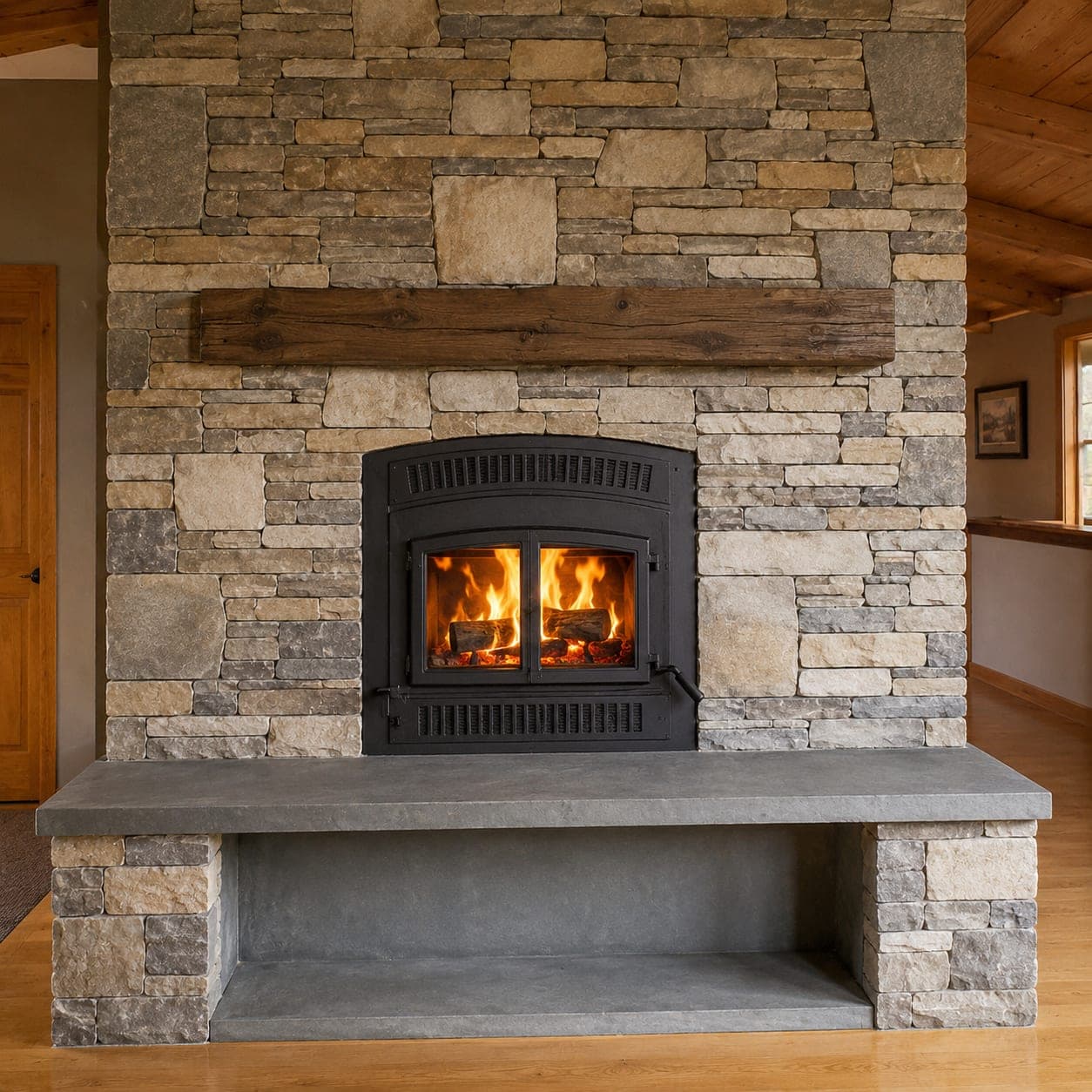
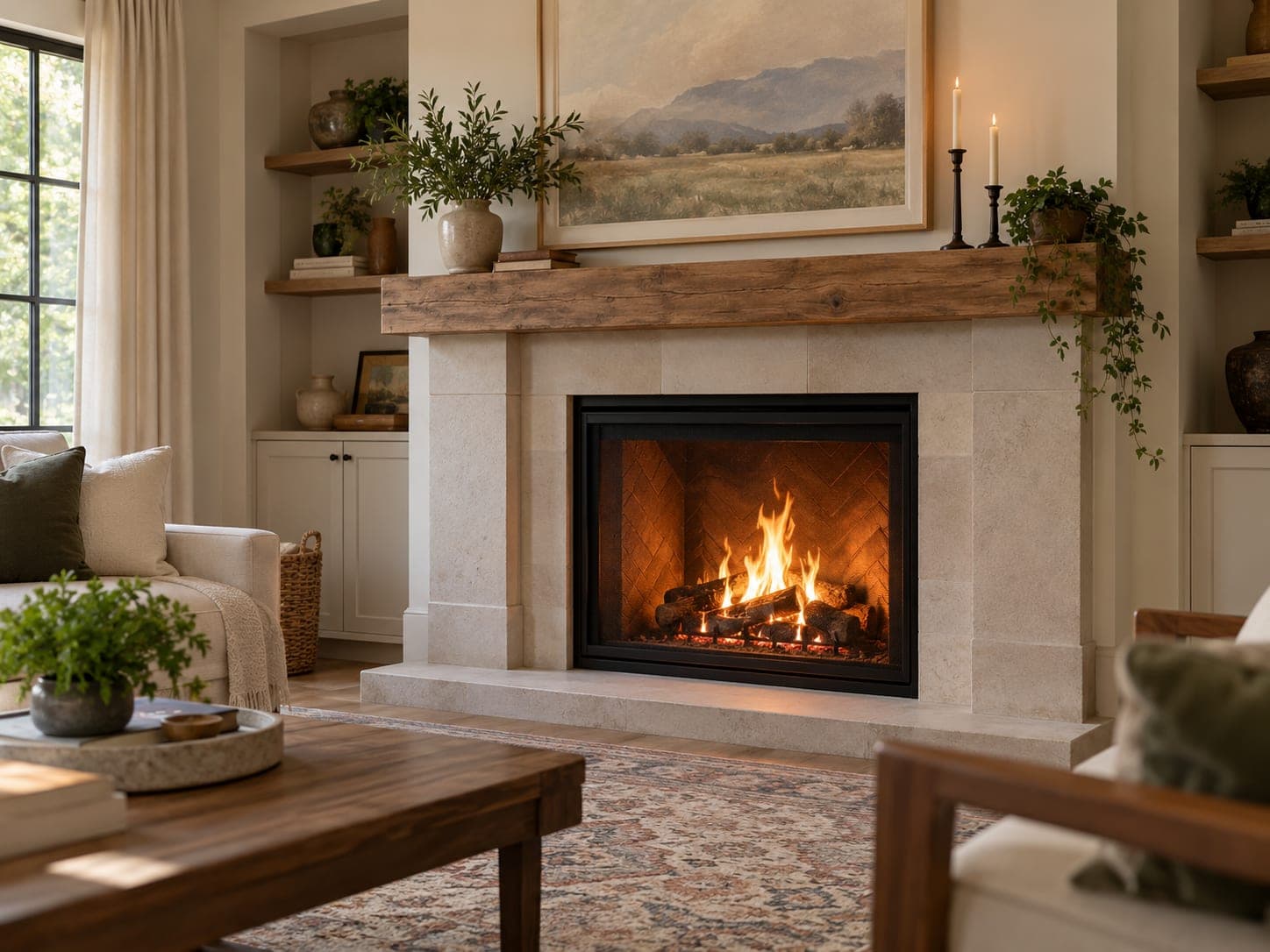
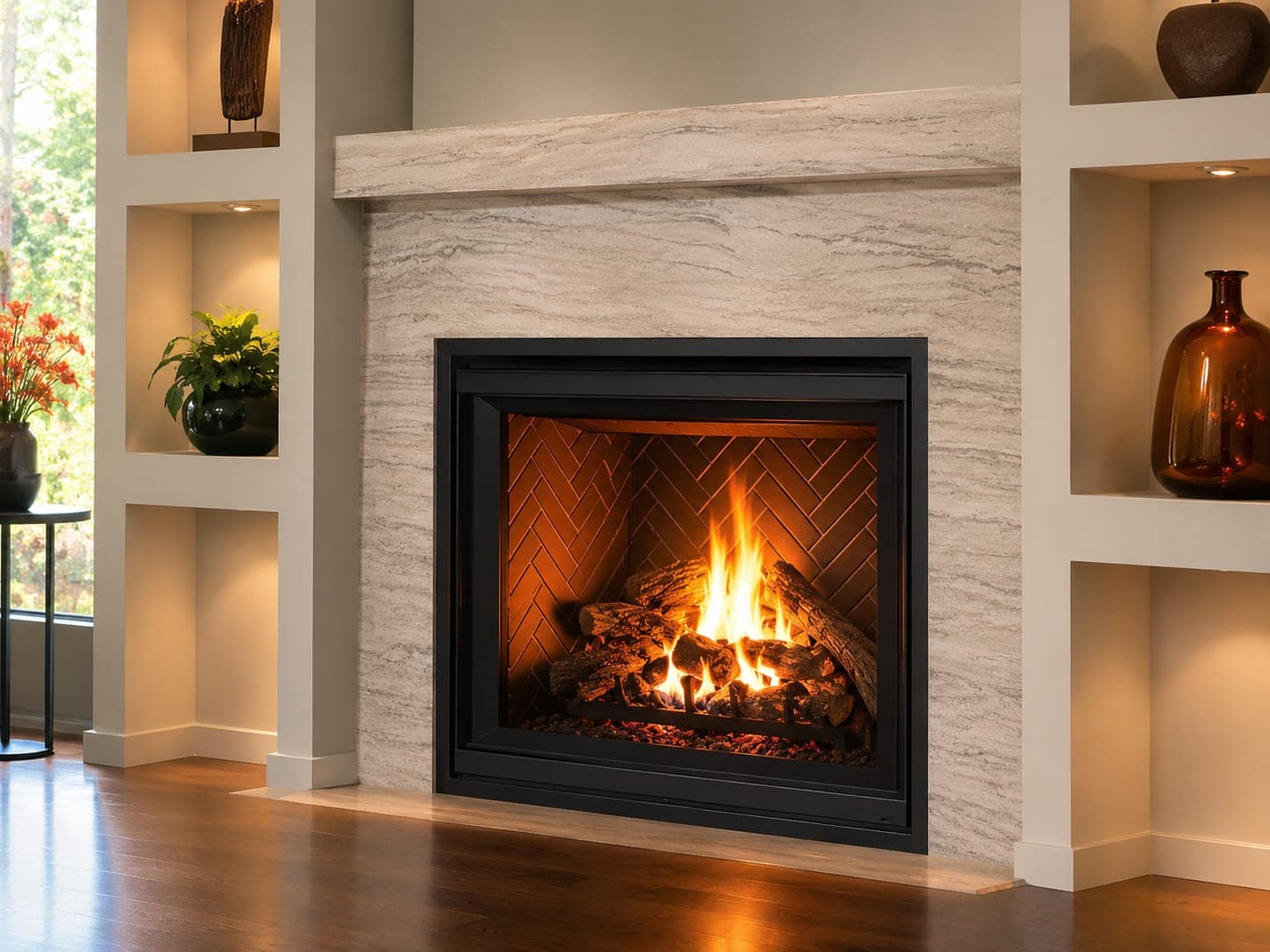
A fireplace insert is a closed firebox, usually steel or cast iron, that slides into the opening of an existing masonry or factory-built fireplace. It has a sealed glass door and an insulated body, and many models have a blower. An open fire pulls warm room air up the chimney. An insert burns in a controlled space and sends heat back into the room.
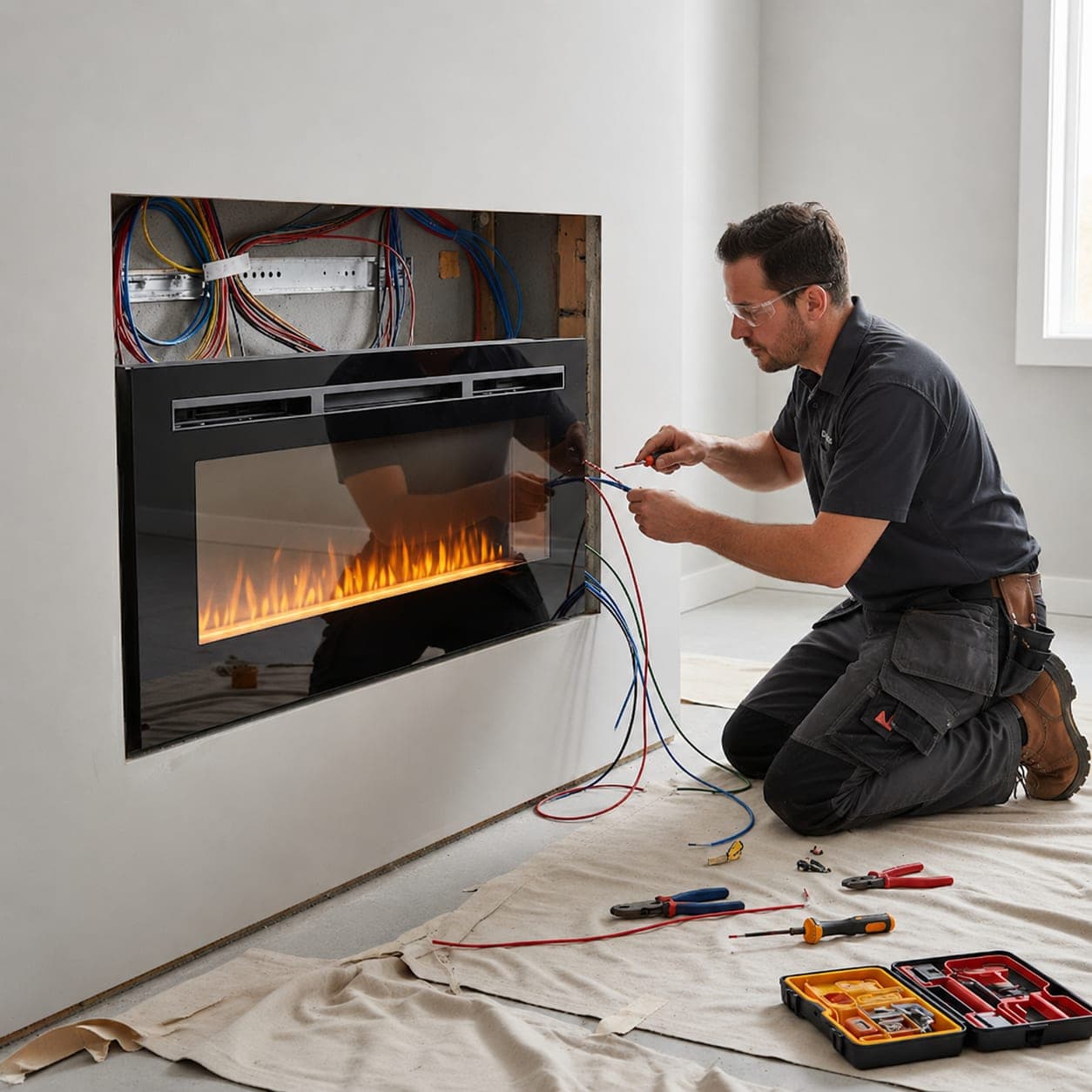
Installation is more than setting a box in the opening. The insert has to match the firebox dimensions, meet the clearances its manufacturer specifies and vent through a liner sized for that appliance. A gas insert also needs a gas supply and a vent connection. These details separate a good install from one that smokes, drafts poorly or runs too hot.
Signs an insert is the right fix
Homeowners usually ask about an insert when their fireplace isn't doing what they want it to do. These are the common reasons:
- The room feels colder when the fire is going, because the open fireplace draws warm air up the flue.
- You want to heat with the fireplace, not just look at it.
- Burning wood means smoke spilling into the room, a lot of ash or constant tending.
- The firebox is worn and you would rather enclose it than rebuild it.
- You want to switch to gas for convenience. Our guide to gas vs wood fireplace conversion walks through the trade-offs.
- Drafts come down the chimney when the fireplace isn't in use.
An insert needs an existing fireplace to go into. If you are starting from a wall with no fireplace, or want to replace the whole unit, a full fireplace installation is the better fit. If you mostly want to cut drafts and sparks and keep an open fire, new glass fireplace doors may be enough.
Wood, gas and what goes into the install
| Feature | Wood insert | Gas insert |
|---|---|---|
| Fuel | Split, seasoned firewood | Natural gas or propane |
| Venting | Liner run the full height of the chimney | Vent system specified for the gas unit |
| Daily use | Loading, tending and ash removal | Switch, remote or thermostat |
| Upkeep | Regular sweeping for creosote | Periodic service of burner, glass and venting |
Fuel
- Wood insert
- Split, seasoned firewood
- Gas insert
- Natural gas or propane
Venting
- Wood insert
- Liner run the full height of the chimney
- Gas insert
- Vent system specified for the gas unit
Daily use
- Wood insert
- Loading, tending and ash removal
- Gas insert
- Switch, remote or thermostat
Upkeep
- Wood insert
- Regular sweeping for creosote
- Gas insert
- Periodic service of burner, glass and venting
Whatever the fuel, the parts are similar: the insert body, a surround panel that covers the gap around the fireplace opening, the liner or vent connection and often a blower. Gas units add a gas line, valve and ignition. Gas fireplace and gas appliance work is offered as part of the job, and we work on all major brands of inserts.
What the installation visit looks like
From estimate to first fire
Look at the fireplace and chimney
We measure the firebox opening and depth and check the chimney's condition. Cracks, a damaged crown or heavy creosote need attention before an insert goes in.
Choose the insert
We help you match a wood or gas insert to your firebox size, how you plan to use it and the room you want to heat.
Prepare the fireplace
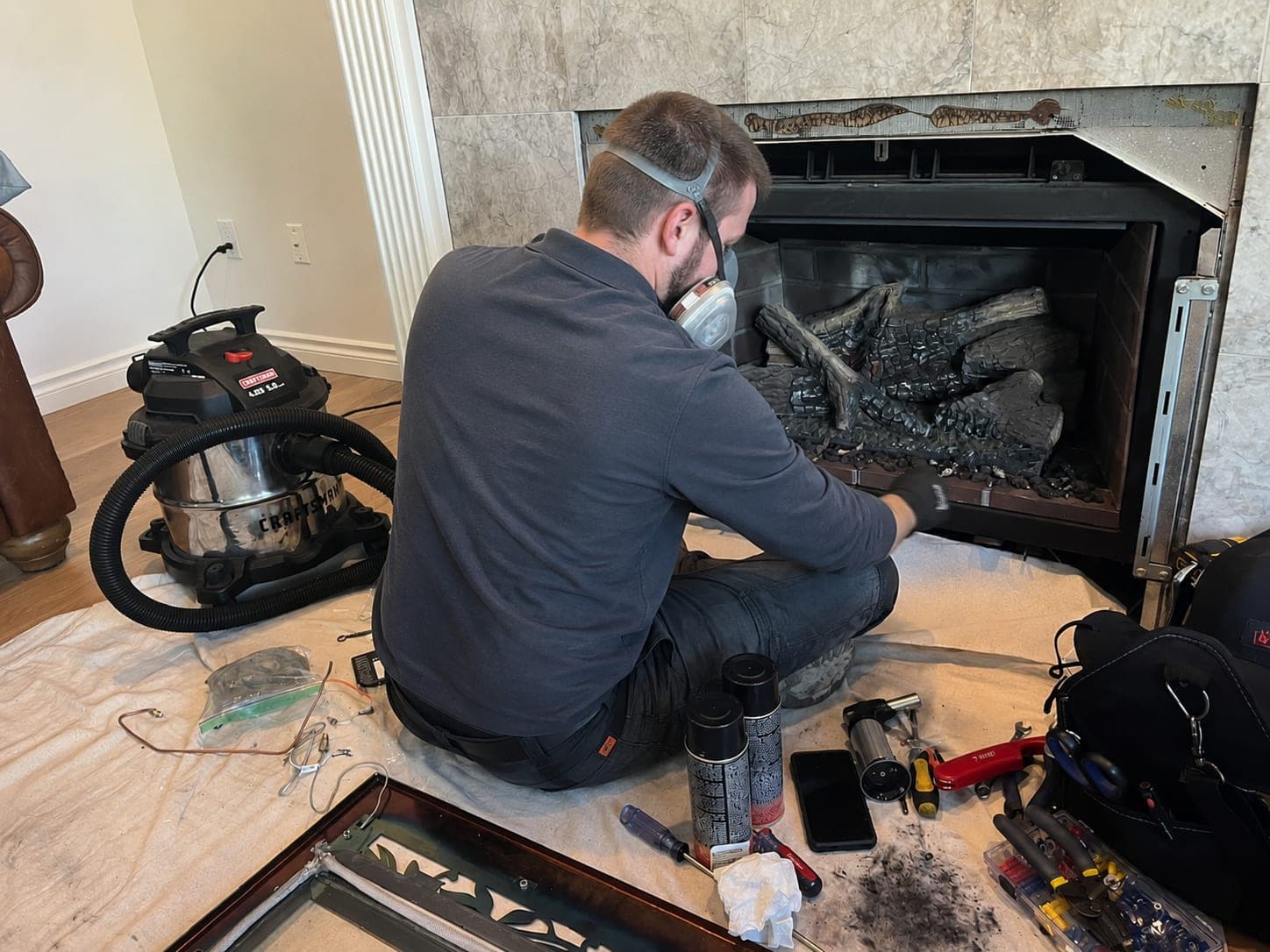
The firebox and flue are cleaned. If the damper is in the way, it is removed or fixed open so the liner can pass through.
Install the liner or vent
A liner sized for the insert runs up the chimney and is capped at the top. Gas units get the venting their manufacturer specifies.
Set and connect the insert
The insert is slid into place, connected to the liner, leveled and fitted with its surround. Gas inserts are connected to the gas supply.
Test and walk through
We run the insert, check draft and connections, and show you how to operate it and what upkeep it needs.
Problems with poorly installed inserts
Many insert complaints come from the install, not the appliance. These are the ones to watch for:
Signs an insert wasn't fitted correctly
- No liner, or a liner that stops at the bottom of the chimney instead of running to the top
- Smoke or fumes in the room when the door is opened
- Weak draft, sooty glass or a fire that is hard to keep going
- Hot walls, mantel or trim near the insert
- Gaps around the surround that let room air or chimney drafts through
- A gas smell near a gas insert, which means you should leave the house and call for help right away
An unlined insert is a real hazard
An insert vented straight into an oversized masonry flue can build creosote quickly and push combustion gases back into the house. If you have an older insert and aren't sure what is behind it, have it checked before the next heating season.
Keeping the insert working well
Wood inserts still produce creosote. Because the insert sits in front of the flue, sweeping takes a little more work than with an open fireplace. Plan on regular fireplace insert cleaning along with the liner. Gas inserts need less, but the glass, burner, pilot and vent should still be checked from time to time.
Book your insert installation
Free estimates. Get in touch and tell us about your fireplace and whether you're leaning toward wood or gas. Commercial and property-manager work is offered as well.