On this page
What chase cover replacement involves
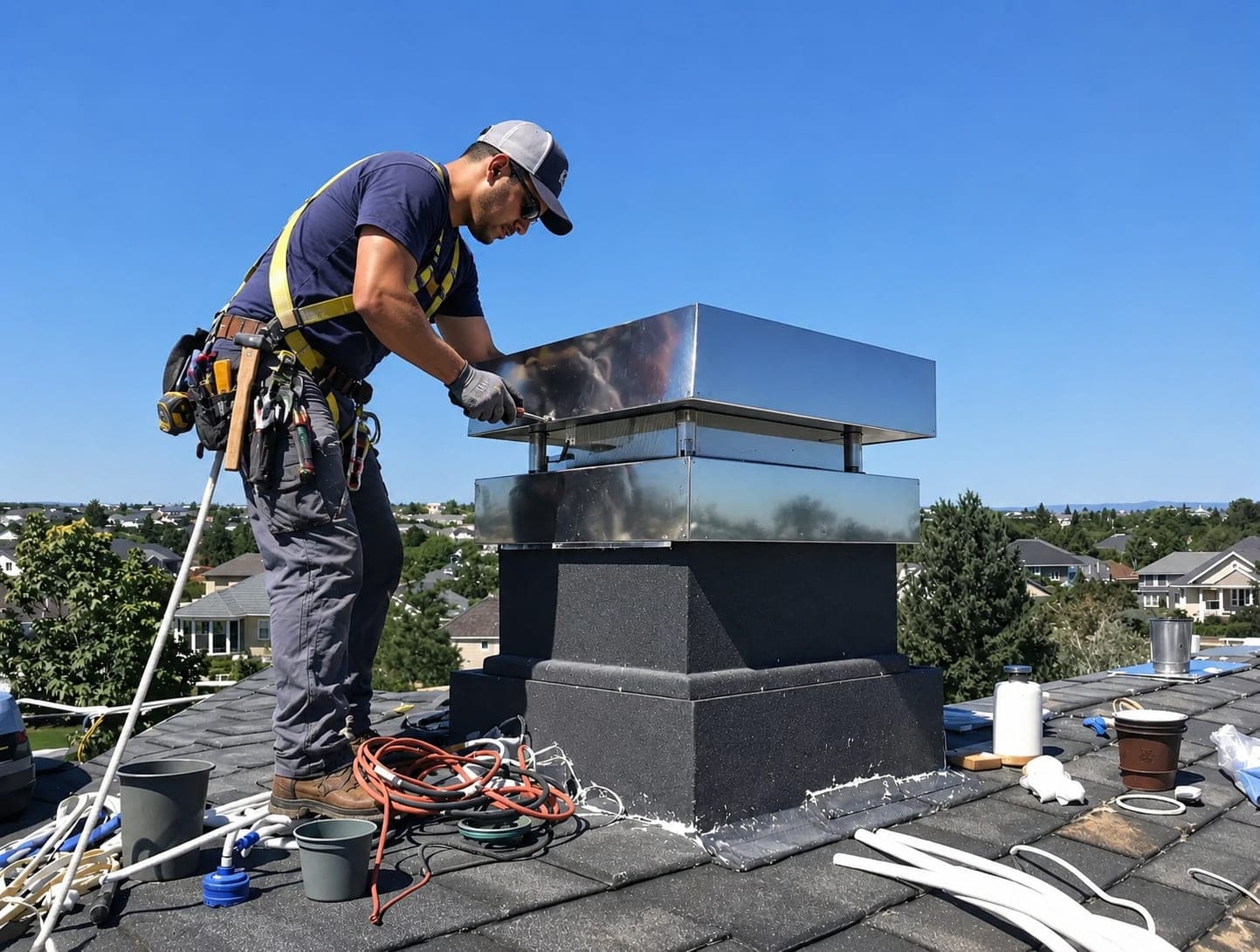
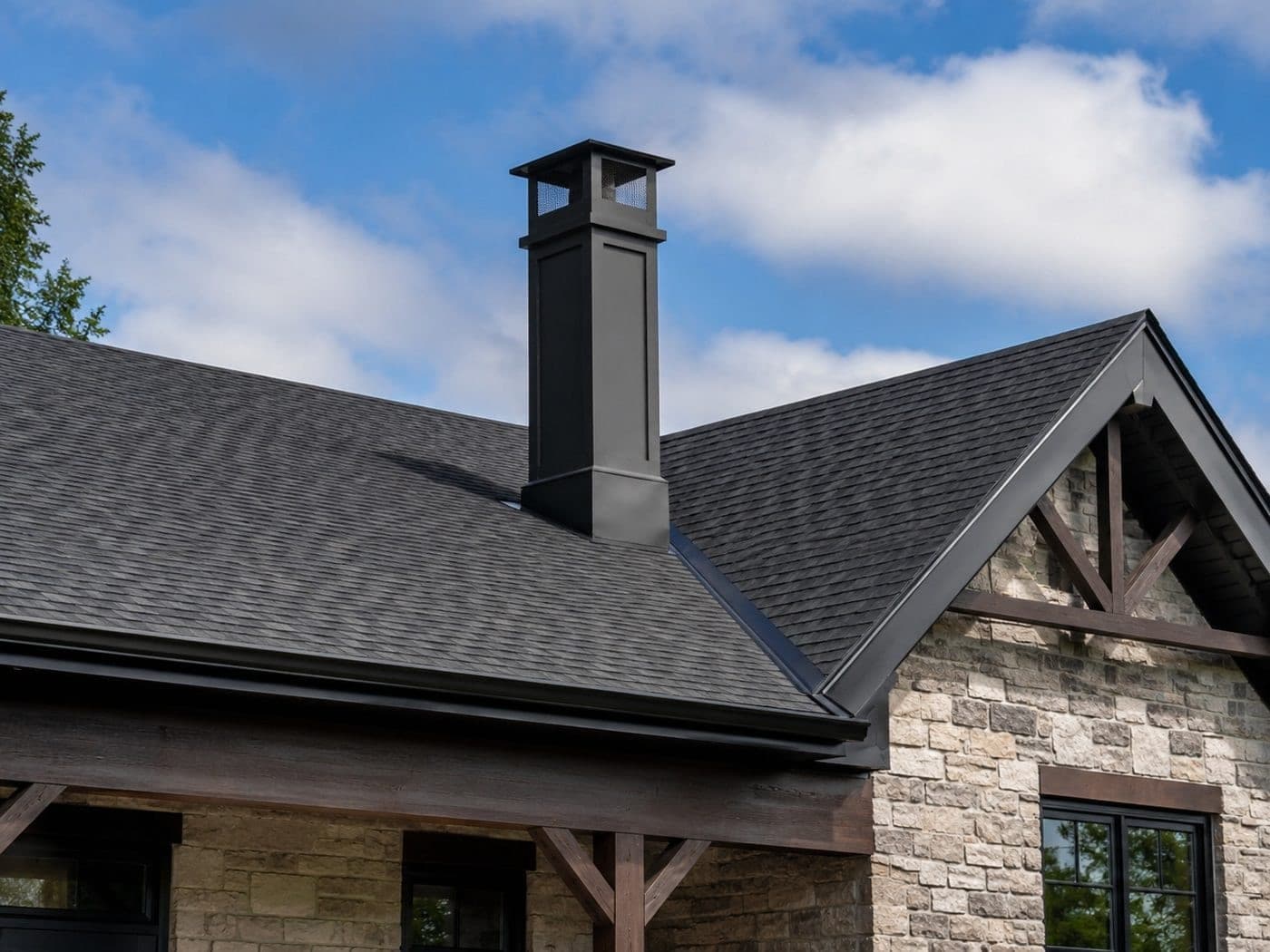
A chase cover is the metal pan on top of a framed chimney chase. The chase is the boxed-in, sided structure that surrounds the metal flue of a factory-built fireplace. The cover sheds rain and snow off the top of the chase, and the flue pipe passes up through a hole in its center. Chase cover replacement means removing the old pan and installing a new one sized to the exact dimensions of your chase.
A chase cover is not the same part as a chimney cap. The cap sits on the flue itself and keeps rain, animals and debris out of the pipe. If you are not sure which part is failing, our guide to chimney cap vs chase cover explains how they differ and how they work together.
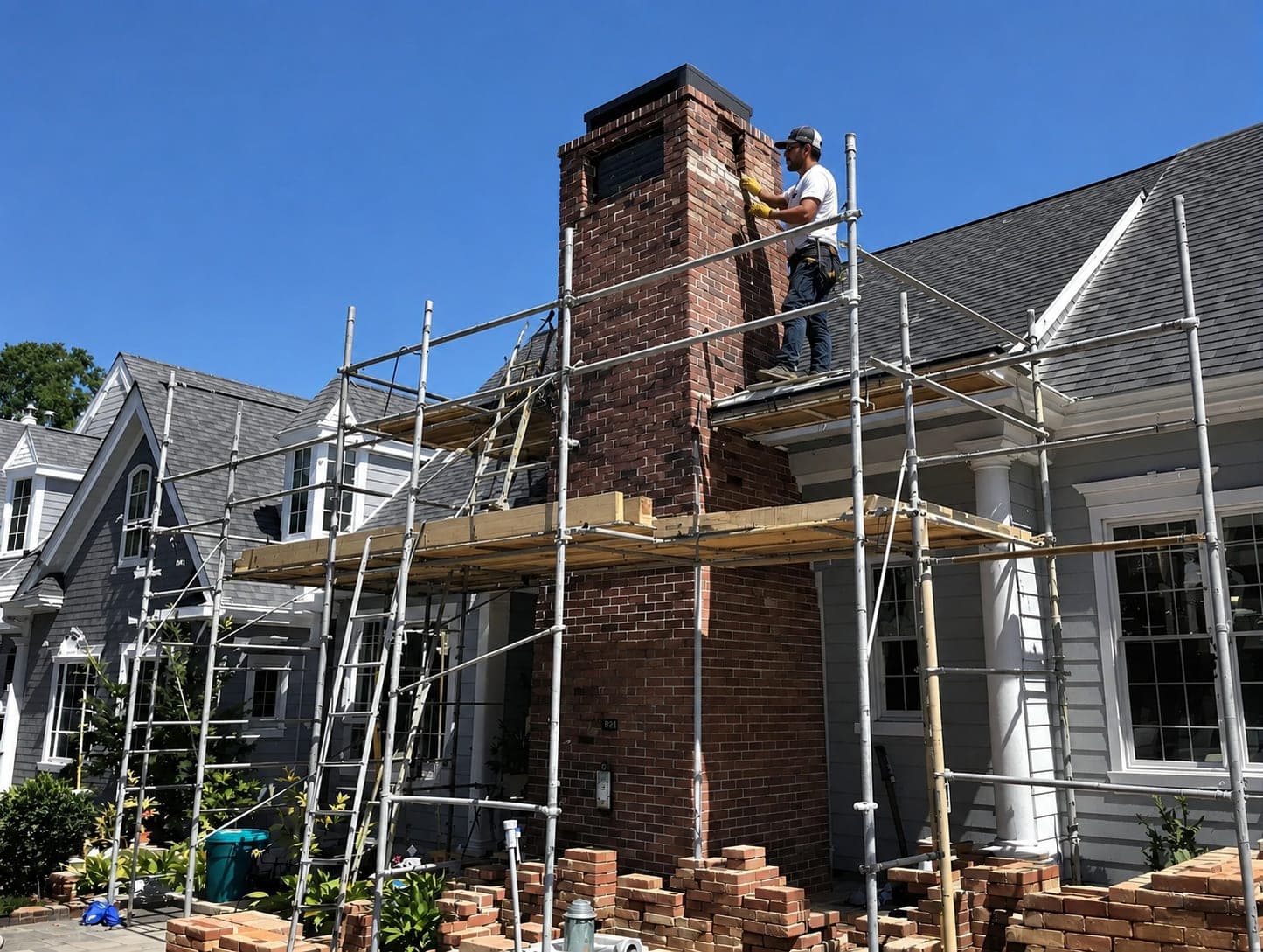
Masonry chimneys do not have a chase cover. They have a concrete or mortar crown on top instead, which is a different repair.
Signs the chase cover needs attention
Common signs of a failing chase cover
- Rust streaks running down the siding of the chase
- Water dripping into the firebox or pooling on the fireplace floor after rain
- A cover that sags in the middle so water sits on top instead of running off
- Visible rust holes, cracked seams or loose edges on the pan
- Water stains on ceilings or walls near the chimney
- Swollen, soft or stained siding or trim at the top of the chase
- Rust on the metal fireplace or firebox parts below
Many original chase covers are flat, thin galvanized steel. Flat covers hold standing water, and once the coating wears through, rust spreads. Water that gets past the cover can soak the framing and insulation inside the chase, so a leaking cover is worth dealing with before the damage reaches the wood. When rot or framing damage is already present, it is handled through our prefab chimney & chase repair service.
What the visit involves, step by step
How a chase cover replacement is done
Inspect the top of the chase
We check the cover, the seams, the flue collar, the cap and the siding at the top of the chase. We also look for signs that water has already reached the framing.
Measure the chase and flue
We take exact measurements of the chase top, the flue pipe position and size, and the overhang needed so water drips clear of the siding.
Remove the old cover
The chimney cap and storm collar come off. Then the old pan is unfastened and lifted away so the top of the framing can be checked.
Install the new cover
The new cover is set in place, fastened through the sides of the chase and sealed where it meets the flue pipe.
Reinstall the collar and cap
The storm collar goes back on to seal around the flue. The chimney cap is refitted, or replaced if it is worn.
Walk you through what we found
We show you the condition of the old cover and anything else we noticed at the top of the chase.
Chase cover materials and design
| Feature | Galvanized steel | Stainless steel |
|---|---|---|
| Rust resistance | Rusts once the coating wears through | Resists rust much better |
| Where it shows up | Many original builder-installed covers | A common choice for replacement covers |
| What to watch for | Rust stains and pinholes over time | Seams and fasteners still need occasional checks |
Rust resistance
- Galvanized steel
- Rusts once the coating wears through
- Stainless steel
- Resists rust much better
Where it shows up
- Galvanized steel
- Many original builder-installed covers
- Stainless steel
- A common choice for replacement covers
What to watch for
- Galvanized steel
- Rust stains and pinholes over time
- Stainless steel
- Seams and fasteners still need occasional checks
Shape matters as much as metal. A replacement cover is usually built with three features: a slight peak or cross-break so water runs off instead of pooling, a raised collar around the flue hole, and a drip edge that holds water away from the siding.
Chimney chase cover repair
Not every cover needs replacing. Chimney chase cover repair makes sense when the pan itself is still solid and the problem is limited to a few spots.
- Resealing a leaking joint where the cover meets the flue collar
- Refastening a cover that has come loose along the sides
- Sealing small seam gaps
- Treating surface rust before it goes through the metal
If the cover is sagging, rusted through in several places or already letting water into the chase, repair only buys a little time and replacement is the more lasting fix. We tell you which one your cover needs after we look at it.
Check the cap while the top is open
The chimney cap has to come off to replace a chase cover, so it is a good moment to look at its condition too. If it is rusted or the screen is damaged, our chimney cap replacement work can be done on the same visit.
Keeping the top of a prefab chimney in good shape
Look at the top of the chase from the ground once or twice a year, and after strong storms. Rust trails on the siding, a dented or tilted cap, or a cover that looks bowed are all worth a closer look. Inside, watch for water or rust in the firebox. For cracked siding, damaged trim or other problems with the rest of the chimney, our chimney repair service covers those as well.
Booking chase cover replacement
Call or request an estimate and tell us what you are seeing, such as rust stains, water in the fireplace or a sagging cover. Commercial and property-manager work is offered too, so rental and multi-unit buildings with prefab chimneys are covered.
Free estimates.
Get in touch to have your chase cover checked and to find out whether it needs repair or replacement.
Related work covered on this page
- Chimney Chase Cover Repair