On this page
What chimney waterproofing is and what it involves
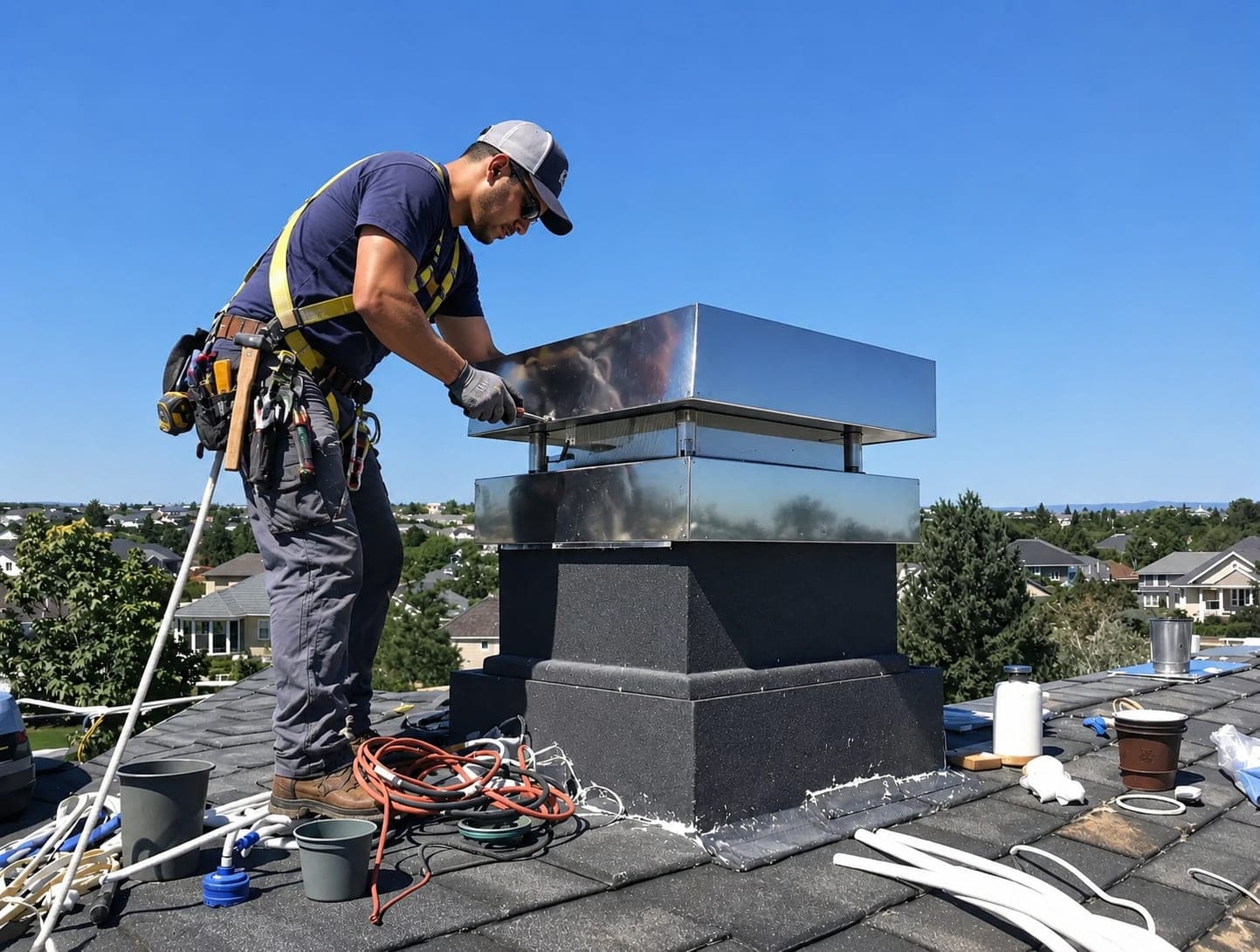
Chimney waterproofing means applying a penetrating water repellent to the brick, stone and mortar above the roofline. A good product soaks into the pores of the masonry and lines them, so liquid water beads up and runs off. It does not form a film on the surface. That matters because the masonry still has to let water vapor pass out of it.
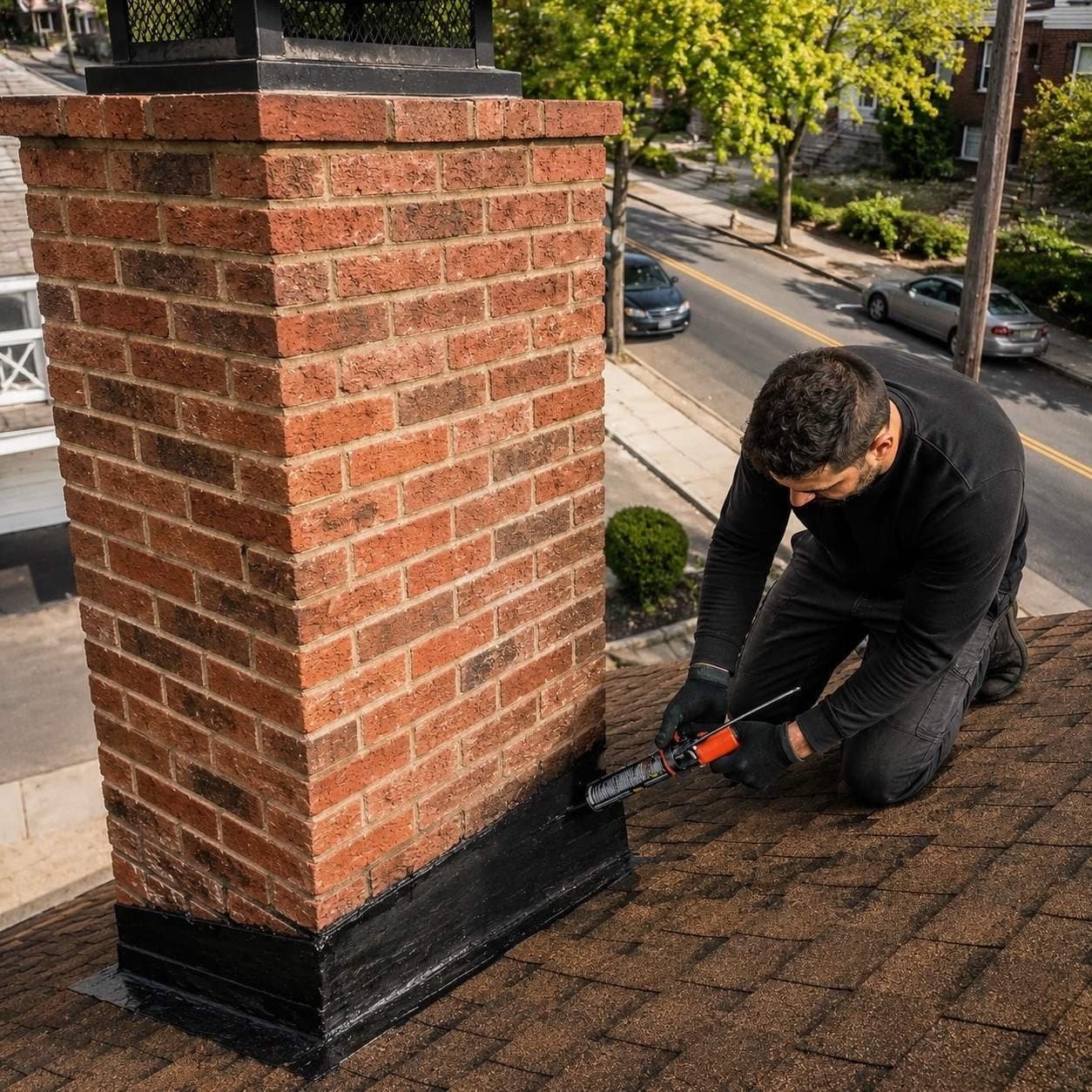
Ordinary paint or a glossy sealer is the wrong choice for a chimney for that reason. A coating that traps moisture behind it can make spalling and crumbling worse. The right product is a vapor-permeable repellent made for masonry, applied to brick that has already been repaired.
Components and materials involved
- Brick or stone faces: the main surface that gets treated, on all sides of the chimney above the roof.
- Mortar joints: these must be solid before sealing. Open or crumbling joints get repointed first, because sealer cannot bridge a gap.
- Crown: the cement cap on top of the masonry. Cracks here are repaired or sealed with a crown product, not just a wall repellent.
- Flashing: the metal seal where the chimney meets the roof. Waterproofing the brick does not fix failed flashing; that is a separate repair.
- Cap or chase cover: keeps rain out of the flue opening itself. Our guide explaining chimney cap vs chase cover covers which one a chimney uses.
Signs a chimney may need waterproofing
Masonry that absorbs water usually shows it before the damage gets serious. These are the signs worth taking seriously:
Common signs of water getting into masonry
- White, powdery staining on the brick (efflorescence), which is salt left behind as water evaporates
- Brick faces flaking, popping off or crumbling (spalling)
- Mortar that is soft, sandy or recessed from the brick
- Dark, damp patches on the chimney that stay wet long after rain
- Water stains on the ceiling or wall next to the chimney inside the house
- Rust on the damper, firebox doors or the bottom of the flue
- A musty or damp smell from the fireplace, especially after wet weather
Not every one of these points to waterproofing alone. Staining inside the house often comes from flashing or the crown rather than the brick faces, which is why the visit starts with finding where the water actually enters. For a fuller look at symptoms, read about what causes a chimney leak.
Causes of chimney leaks
Water reaches the inside of a chimney by a few common routes, and more than one is often involved:
- Porous brick and mortar: masonry absorbs rain like a hard sponge, and water works inward through it.
- Cracked crown: the top slab cracks over time and lets water straight down into the masonry.
- Failed flashing: loose, rusted or poorly sealed metal at the roofline is one of the most frequent leak points.
- Missing or damaged cap: without a cap, rain falls directly into the flue.
- Deteriorated mortar joints: open joints channel water into the chimney walls.
- Freeze-thaw cycles: water held in masonry expands when it freezes and widens cracks over repeated cold spells.
Addressing chimney leaks proactively
Sealing masonry while it is still sound is far easier than repairing it after water has done its work. Once brick spalls or mortar washes out, the fix moves from a repellent to repointing, and in bad cases to rebuilding part of the stack.
A sensible approach is to handle the whole water path at once: repair joints and crown, check the flashing, make sure a cap is in place, and then waterproof the brick. If the top of the flue is open, our chimney cap installation service closes that route. If the masonry is already damaged, it may need chimney repair work before any sealer goes on.
Damage from a leaky chimney
Ignored water does more than stain a ceiling. Over time it can cause:
- Spalled brick and loose mortar that eventually make the chimney unstable
- A cracked crown that lets in more water each season
- Rusted dampers, fireboxes and metal flue parts
- Damage to the flue liner, which affects how safely the fireplace vents
- Rotted framing, wet insulation, and mold in the walls and attic around the chimney
Leaky chimneys and cold drafts
Water and air often get in through the same weak spots. A damper rusted by moisture may no longer close tightly, and cracked masonry or gaps around flashing can let cold air in along with the rain. When water has damaged the damper, damper repair can restore a tighter seal alongside the waterproofing.
What the visit involves, step by step
How a chimney waterproofing job is done
Inspect the chimney
We check the brick, mortar, crown, flashing and cap, and look inside for signs of water, so the source of any leak is found before anything is sealed.
Explain what it needs
You get a clear explanation of whether waterproofing alone will do, or whether joints, crown or flashing need repair first, along with a free estimate.
Make repairs
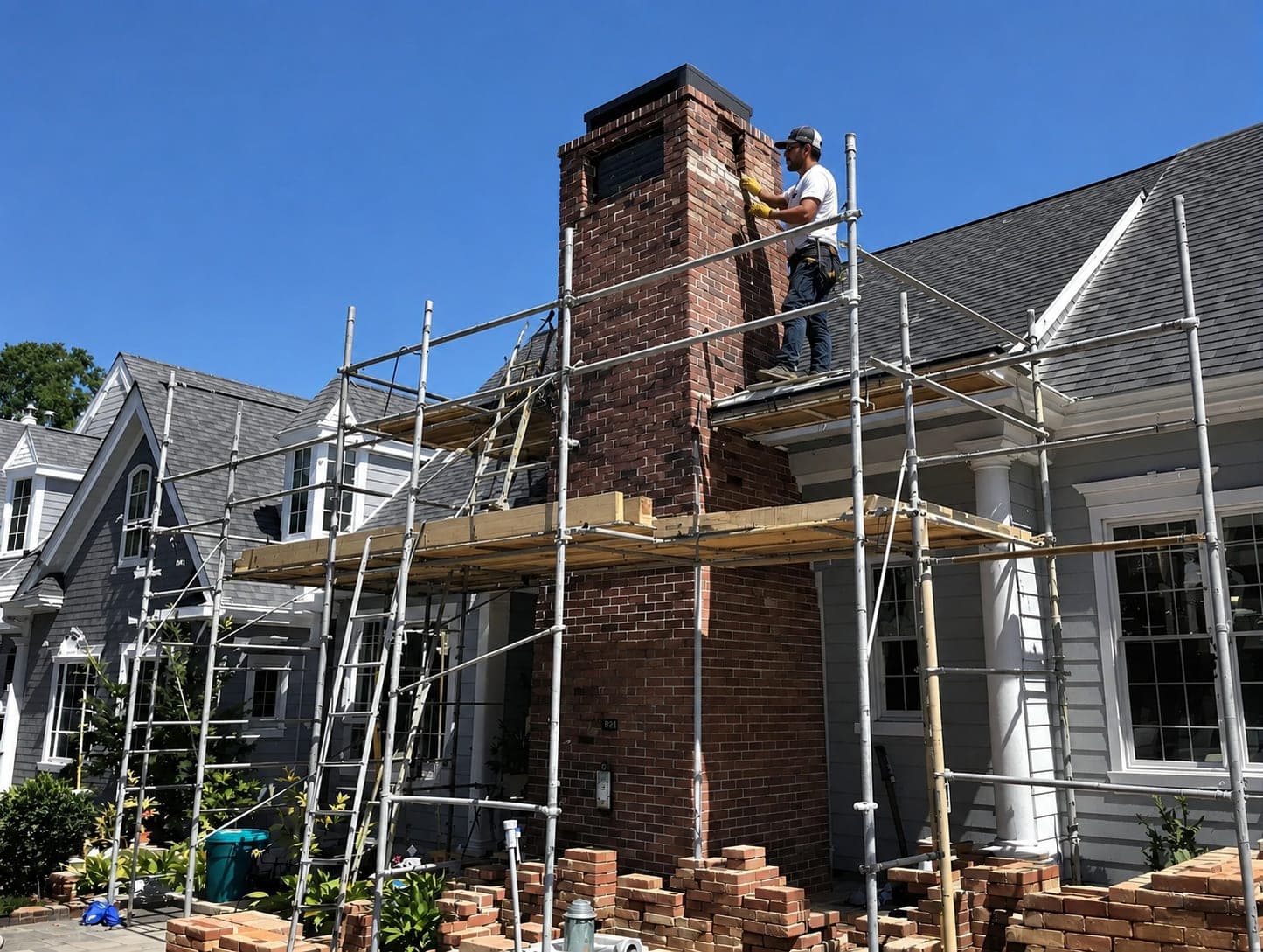
Cracked crowns, open mortar joints and damaged flashing are fixed first. Where the brick has deteriorated badly, our guide comparing chimney rebuilding vs tuckpointing explains the options.
Clean and let it dry
The masonry is cleaned of dirt, moss and loose material, and must be dry so the repellent can soak in.
Apply the water repellent
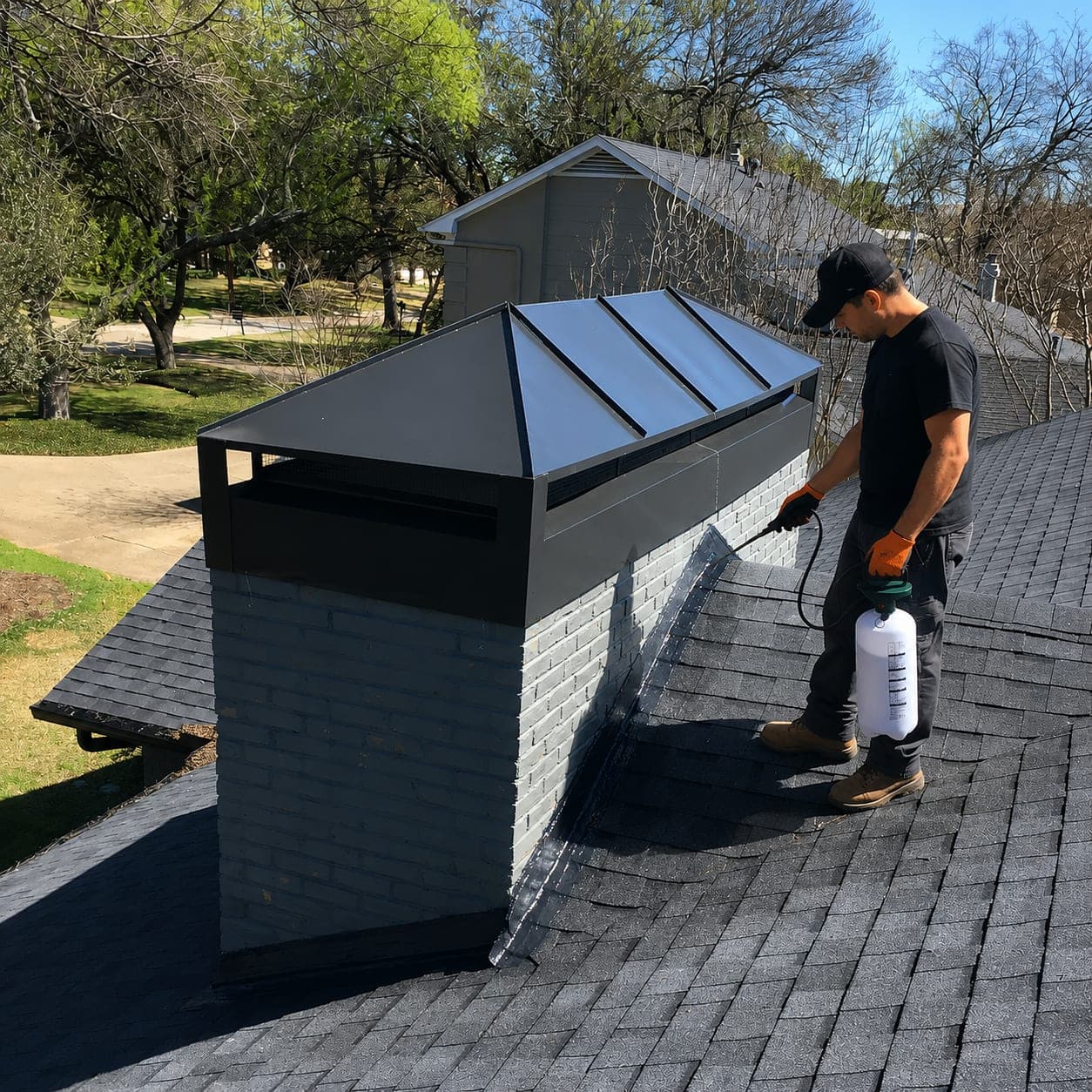
A vapor-permeable masonry repellent is applied evenly to all exposed faces so it saturates the surface.
Protect the top
The crown is sealed with a suitable product, and the cap is checked so the flue opening is covered.
When the brick is too far gone
Sealer cannot hold together brick that is already crumbling. If large sections are loose or the stack is leaning, how a chimney rebuild works is the more honest place to start.
Booking chimney waterproofing
Get in touch to request an estimate. 24-hour service runs Sunday–Friday, and emergency calls are accepted, which helps if water is actively coming into the house. Commercial and property-manager work is offered as well.