On this page
What an animal screen is and what installing one involves
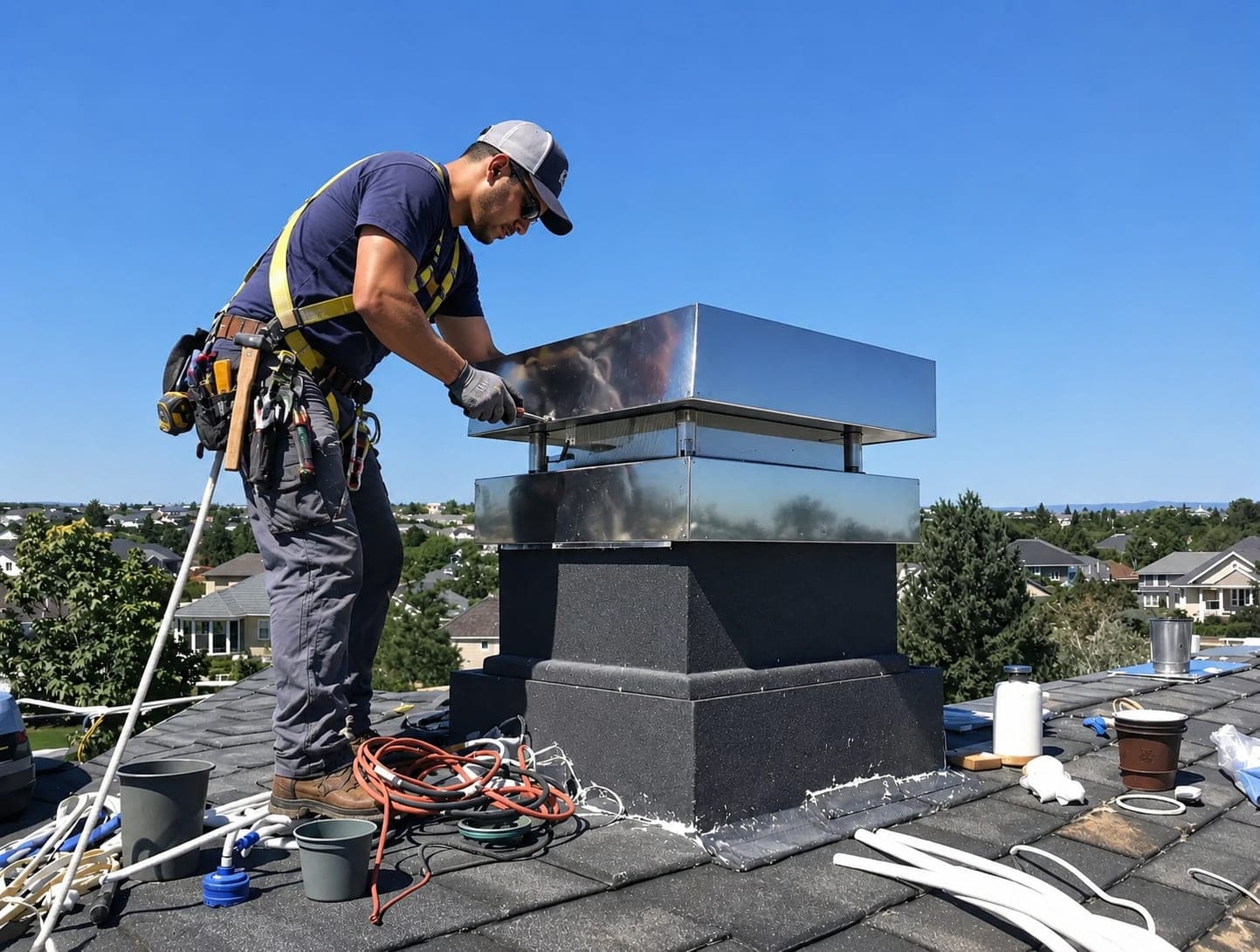
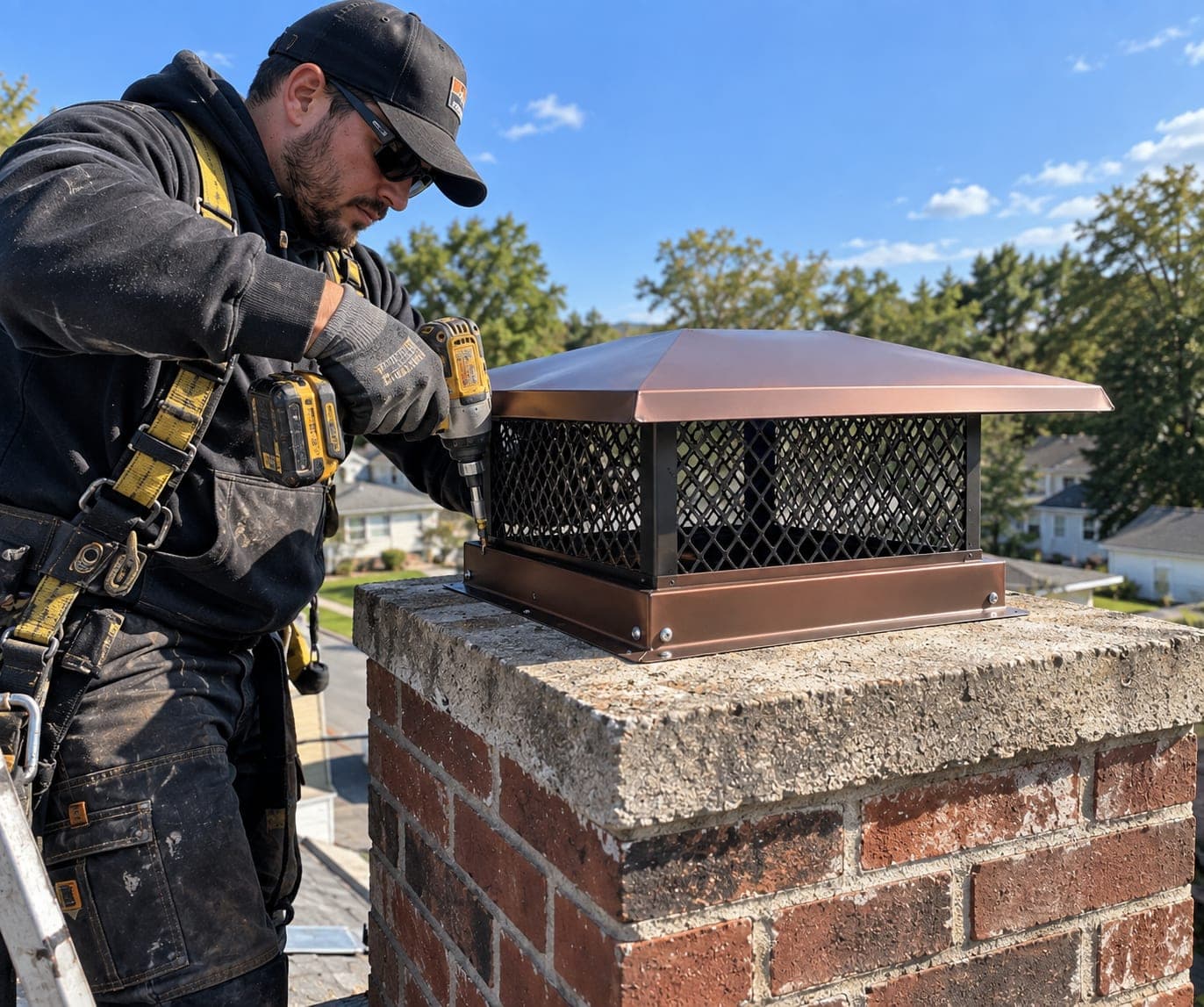
A chimney animal screen is a metal mesh barrier at the top of the flue. Most are part of a cap, with a mesh band around the sides under a lid that sheds rain. Others are a mesh guard fitted directly to the flue tile. In both cases the mesh has to be open enough for smoke and gases to pass and tight enough that a bird or squirrel can't squeeze through.

Installation means measuring the flue opening, choosing a screen that fits the flue's shape and the appliance it serves, and fastening it so wind and animals can't pry it loose. If your chimney has no cap at all, the screen usually comes as part of our chimney cap installation service. Cap mesh also catches embers, which overlaps with chimney spark arrestor installation.
Signs your chimney needs an animal screen
Common reasons homeowners call
- Scratching, fluttering or chirping inside the chimney or behind the fireplace
- Twigs, leaves or nesting material falling onto the damper or firebox
- A musty or animal smell from the fireplace, especially in warm or damp weather
- Droppings or feathers in the firebox
- An open flue with no cap or mesh, visible from the roof or the ground
- An old screen that is rusted through, bent open or pulling away from the flue
- A recent animal or nest removal that you don't want repeated
If an animal is already inside
Don't light a fire to drive it out, and don't seal the top while it's still in there. A trapped animal can die in the flue, and a nest can block the exhaust. We offer Chimney Animal & Nest Removal, so the chimney can be cleared first and screened afterward.
What the visit involves, step by step
How we install an animal screen
Check that the flue is empty
Before anything goes on top, we make sure no animal or active nest is in the flue, so nothing gets sealed inside.
Look at the top of the chimney
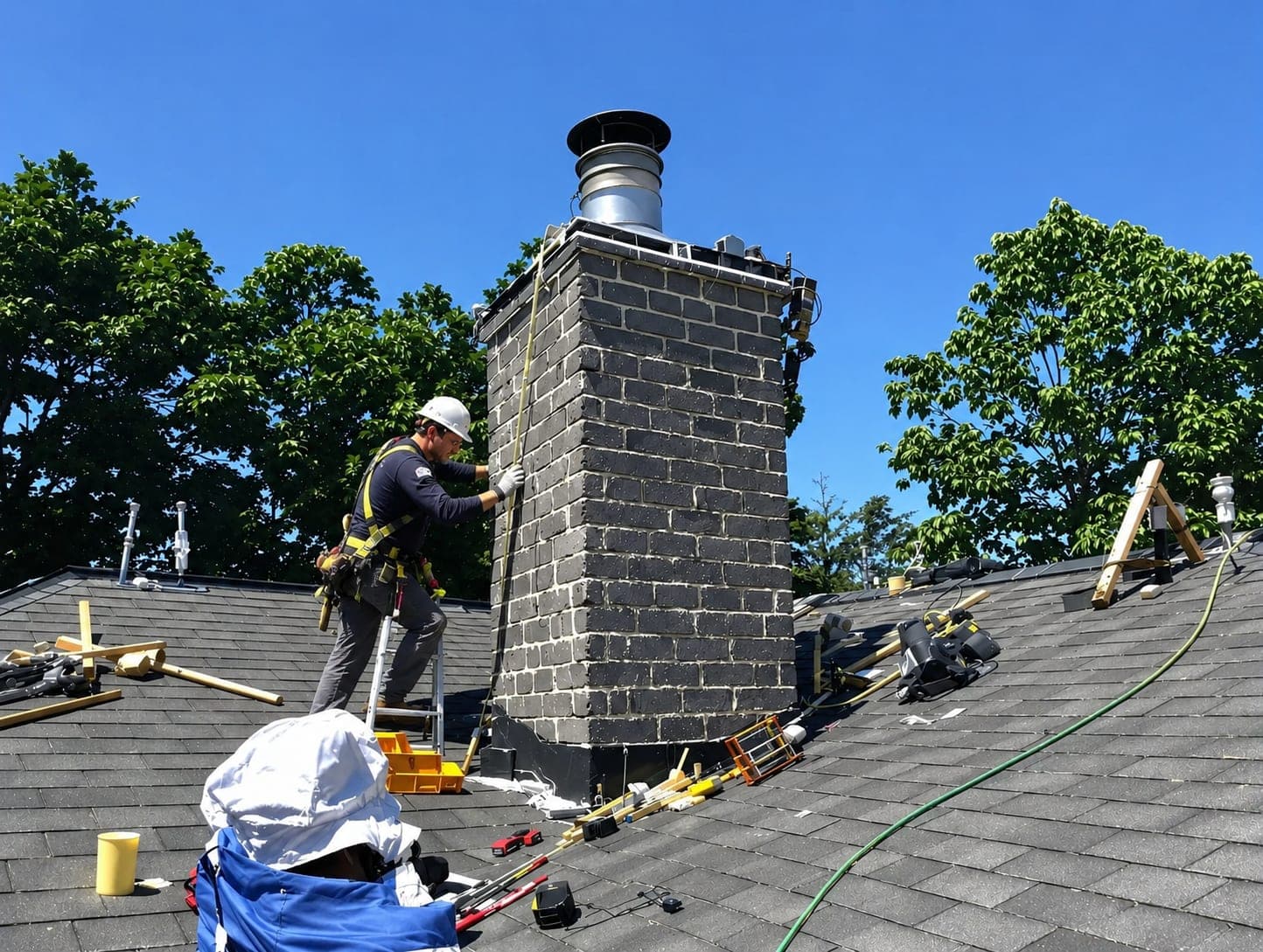
We check the flue tile, the crown and any existing cap. A screen needs a sound surface to attach to.
Measure the flue
Flues come in round, square and rectangular shapes and many sizes, and some chimneys have more than one. We measure each opening that needs protecting.
Match the screen to the appliance
A wood-burning fireplace, a wood stove and a gas appliance each send different exhaust up the flue. The screen and mesh are chosen for what your flue actually vents.
Fit and secure it
The screen or cap is fastened firmly to the flue or crown so it stays put in wind and can't be pushed aside by a determined animal.
Walk you through it
We show you what was installed and point out anything we noticed about the chimney top that you should know about.
When the chimney top needs work first
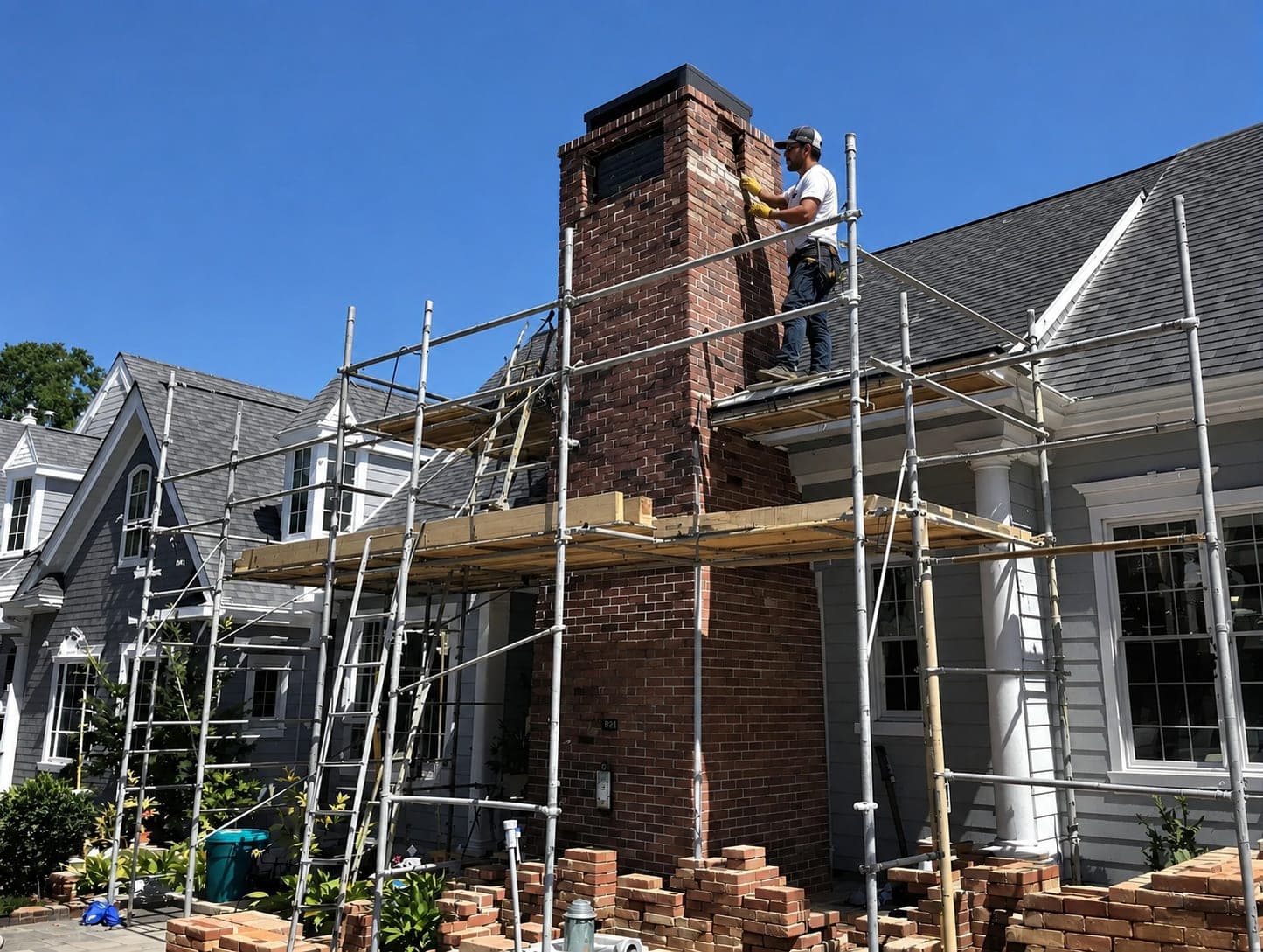
A screen only works if it seals against solid material. Cracked or broken flue tile at the top can leave gaps an animal can get through. When the liner is damaged further down, how chimney liner installation works explains the repair. When the crown or brickwork is crumbling, the masonry should be repaired before anything is anchored to it, and our guide to chimney rebuilding vs tuckpointing helps you understand which repair fits. Factory-built chimneys with a metal chase work differently; if you're not sure what's on top of yours, read chimney cap vs chase cover.
Keeping a screen from causing draft problems
Mesh can collect creosote, soot, leaves and debris over time. A clogged screen restricts the draft, and you may notice smoke rolling into the room or a fire that's hard to keep going. On a gas appliance, a blocked screen can slow the exhaust leaving the house, so that one matters most. Have the screen looked at whenever the chimney is swept or inspected, and call if you see smoke spilling back or a screen that looks caked over.
Booking a screen installation
Request one and we'll look at the chimney, tell you whether a screen alone will do the job or the top needs repair first, and fit it. Commercial and property-manager work is offered, so buildings with several flues can be screened in one visit.