On this page
What chimney liner repair involves
The liner is the inner wall of the flue. It carries smoke and exhaust up and out, and it keeps heat away from the surrounding brick and the wood framing near the chimney. When part of it cracks, spalls or pulls apart at the joints, chimney liner repair fixes the damaged areas so the flue can do its job again, without replacing the whole liner.
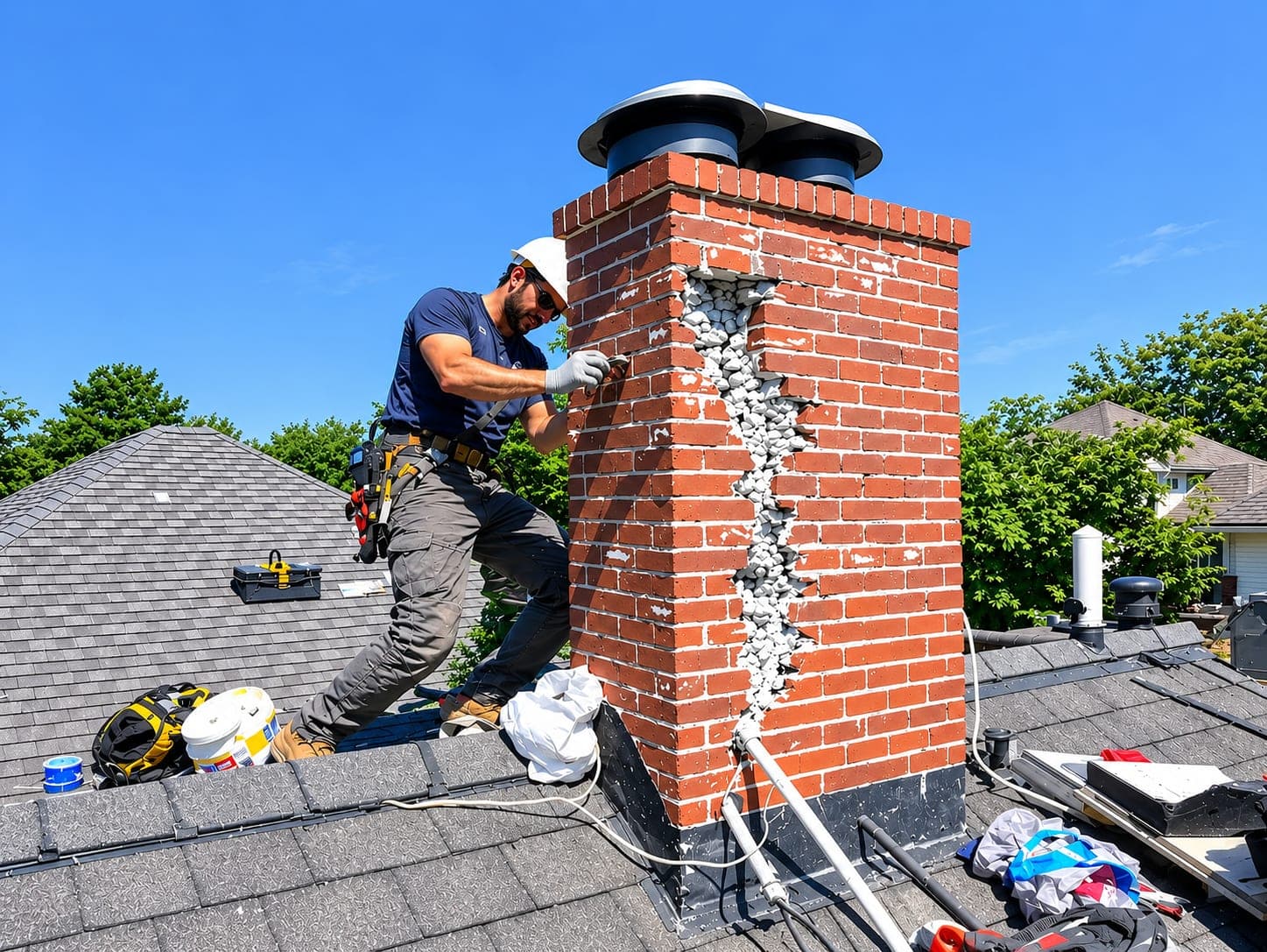
What the repair looks like depends on the liner material and how much of it is affected. Typical repair work includes:
- Filling and sealing gaps in the mortar joints between tiles
- Resurfacing cracked or flaking sections of a clay liner with a heat-resistant coating
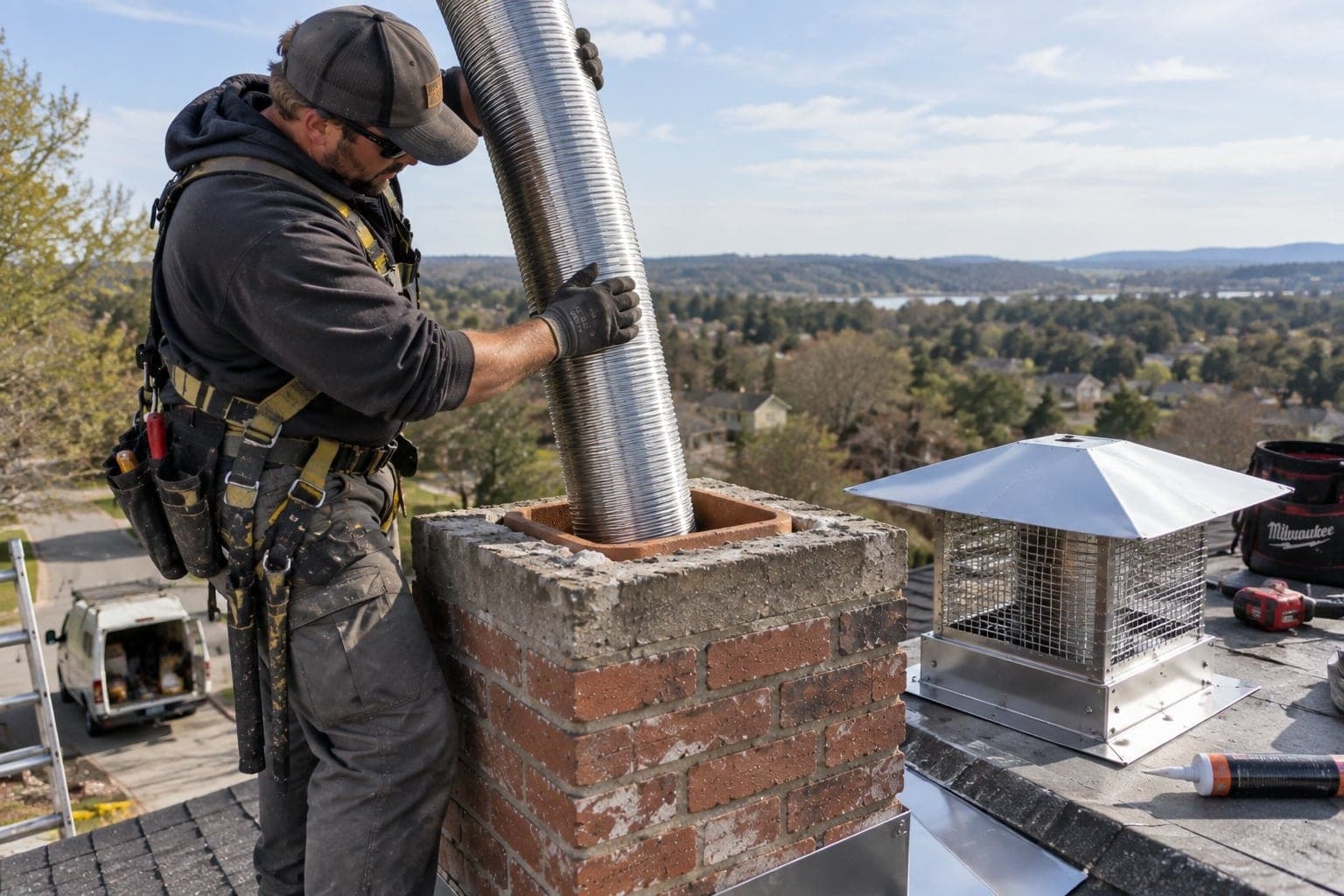
- Repairing or resealing connections, joints and the top termination on a stainless steel liner
- Restoring the seal where the liner meets the chimney top, so water stops running down the flue
When the damage runs the full height of the flue, or the liner is missing altogether, repair stops making sense, and a new liner through our chimney liner installation service is the right job.
Signs your liner may need repair
Liner damage is hidden inside the chimney, so most homeowners notice the side effects first. Get the flue checked if you see any of these:
Warning signs
- Pieces of tile, flakes or grit landing in the firebox or on the damper
- Smoke drifting into the room even with the damper fully open
- A strong smoky or musty smell coming from the fireplace
- Water stains, damp patches or white mineral deposits on the chimney walls inside the house
- An inspection report that mentions cracked tiles, open joints or a damaged liner
- A known or suspected chimney fire, even a brief one
Common liner problems and how they're checked
01Cracked clay tiles
- What you may notice
- Tile shards in the firebox, smoke leaking where it shouldn't
- How it’s confirmed
- A camera run up the flue shows cracks, missing pieces and their location
02Open or eroded mortar joints
- What you may notice
- Grit falling into the fireplace, staining on interior chimney walls
- How it’s confirmed
- Camera footage of the joints between tiles, section by section
03Water getting into the flue
- What you may notice
- Rust on the damper, damp smell, flaking liner surface
- How it’s confirmed
- Inspection of the chimney top, cap and crown along with the liner itself
Water is a frequent cause of liner deterioration. A missing or damaged cap lets rain and snow fall straight down the flue, and our chimney cap installation work keeps it out. If you're not sure which cover your chimney uses, chimney cap vs chase cover explains the difference.
What the visit involves, step by step
Look at the fireplace or appliance
We check the firebox, damper and any appliance connected to the flue, and note signs like debris, staining or rust.
Inspect the inside of the flue
A camera inspection shows the liner from bottom to top, so we can see exactly which sections are cracked or open.
Explain the findings
We show you what we found, tell you whether repair or replacement fits the damage, and give you a free estimate.
Protect the room and make the repair
The fireplace opening and nearby floor are covered, the damaged sections are cleaned and prepared, and the repair material is applied or the faulty parts are fixed.
Check the result
We look at the repaired area again so you can see the finished work before you use the fireplace or appliance.
Liner types and how they're repaired
| Liner material | Common problems | Typical repair |
|---|---|---|
| Clay tile | Cracked tiles, open mortar joints, spalling from heat or moisture | Joint sealing or resurfacing with a heat-resistant coating |
| Stainless steel | Loose connections, corrosion, damaged top termination | Resealing or repairing connections and the termination |
| Cast-in-place | Surface cracks or worn areas | Patching and sealing the damaged areas |
Gas appliances such as furnaces and water heaters vented into a masonry chimney produce exhaust that can condense inside the flue. That moisture can wear down a clay liner over time, so a gas appliance flue deserves the same attention as a wood-burning one. We handle gas fireplace and gas appliance work as well.
Liner trouble often shows up alongside damage to the brick and mortar outside. When the masonry needs work too, our chimney repair service covers it, and our guide to chimney rebuilding vs tuckpointing helps you understand which level of masonry repair a chimney may need.
Safety and maintenance
Hold off on fires until the liner is checked
A damaged liner can let heat reach combustible framing and let smoke and carbon monoxide leak into the home. If you suspect liner damage, stop using the fireplace or appliance until the flue has been inspected.
- Keep working carbon monoxide alarms on every level of the home, including near bedrooms.
- Have the chimney inspected after any chimney fire, even if everything looks fine from the firebox.
- Make sure the chimney has a cap, so rain, snow and animals stay out of the flue.
- Have the chimney swept and inspected regularly, which is the usual safety recommendation, so small cracks are found before they spread.
Booking a liner repair
Call or request an estimate, and tell us what you've noticed: debris in the firebox, smoke in the room, odors or an inspection report.
We work on all major fireplace and appliance brands, and commercial and property-manager work is offered for owners who look after more than one building.
Free estimates.
Get in touch to have your flue liner inspected and receive a clear explanation of the repair it needs.